
Webmasterstwo
W kategorii Webmasterstwo znajdziecie publikacje związane z szeroko pojętym tworzeniem stron internetowych. Dowiecie się jak wykorzystywać i dostosowywać do własnych potrzeb gotowe systemy zarządzania treścią (CMS) takie jak np. Wordpress, Joomla! czy Drupal.
Podręczniki, w przystępny sposób przekażą Wam zasady tworzenia od podstaw aplikacji sieciowych przy użyciu popularnych języków jak PHP czy Ruby on Rails, Java nie zapominając o ASP. Nauczycie się nie tylko budować funkcjonalne serwisy WWW, ale także będziecie mięli okazję zapoznać się z wieloma zagadnieniami dotyczącymi marketingu internetowego od pozycjonowania do kampanii reklamowych na portalach społecznościowych.

Šimon Jůn
Figma isn’t just a design tool; it’s the modern designer’s command centerŠimon Jun, COO at Dotidot, longtime Figma lecturer, and organizer of the Czech Friends of Figma community, built this book from the trenches of real product work. After years of untangling messy files, rescuing failing handoffs, and coaching teams at scale, he distilled what actually works into a practical, recipe-driven guide.Over time, Šimon saw the same problems show up again and again: bloated files, broken handoffs, and design systems that couldn’t scale. This book is his way of sharing the patterns, tools, and habits that helped teams move past those roadblocks and build stronger, more connected design processes in Figma.Inside, you’ll learn how to structure files for real collaboration, use design tokens without chaos, build accessible, scalable libraries, and hand off to developers with confidence. You’ll see how to automate repetitive work with plugins and AI, run async reviews, and bake feedback loops into your process so projects keep moving, without losing polish.*Email sign-up and proof of purchase required
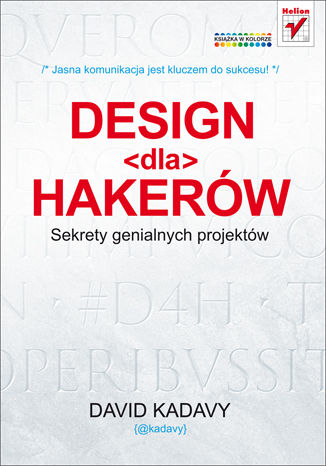
Design dla hakerów. Sekrety genialnych projektów
David Kadavy
Pasjonująca wyprawa w świat projektów! Tego jeszcze nie było! Książka, która rozprawia się z mitami oraz wyjaśnia powszechnie przyjęte założenia. Prawda, że Comic Sans to znienawidzona czcionka? Ale czy wiesz dlaczego? Czy złota proporcja faktycznie ma znaczenie? Dlaczego Monet nigdy nie używał czarnego na swoich obrazach? To tylko niektóre z pytań, nad którymi zastanawia się David Kadavy — utytułowany projektant, który rozłożył klasyczne zasady projektowania i techniki webdesignerów na części pierwsze. Co jeszcze umieścił w tej wyjątkowej książce? Znajdziesz tu mnóstwo informacji na temat typografii, grafiki tworzonej na potrzeby stron internetowych oraz teorii kolorów. W trakcie lektury nauczysz się dobierać odpowiednie proporcje projektu oraz wykorzystywać kolory do ożywienia swojego dzieła. Ponadto zdobędziesz ogromną wiedzę na temat odpowiedniego zagospodarowania przestrzeni i tworzenia przejrzystych układów. Jeżeli chcesz tworzyć eleganckie, intrygujące i przyciągające wzrok prace, ta książka wprost idealnie spełni Twoje oczekiwania. Dodatkowo zawiera ona wiele informacji o niuansach i sprawach historycznych, lecz wciąż mających wpływ na dzisiejsze sposoby projektowania. Uważaj, ta lektura naprawdę wciąga! Dowiedz się: dlaczego używanie czcionki Comic Sans jest niewskazane w jaki sposób teoria kolorów wpływa na codzienną pracę jak zapewnić projektowi przejrzystość Myśl jak haker, a Twoje projekty będą nowatorskie, niebanalne i funkcjonalne!
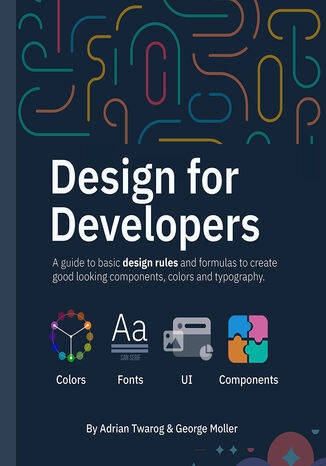
Adrian Twarog, George Moller
For developers eager to enhance their UI design skills, this book offers a comprehensive guide to design fundamentals. Starting with the essentials like color theory and typography, it progresses through component design and visual hierarchy, culminating in a hands-on approach to building design systems and implementing them in projects. Readers will gain the tools and confidence to integrate aesthetics into their coding projects.The book balances theoretical concepts like visual hierarchy, color psychology, and text legibility with actionable techniques for wireframing, building UI components, and creating full-fledged design systems. Each chapter delves deep into practical strategies, such as selecting color palettes, designing scalable typography, and constructing reusable elements like buttons and icons.By the end of this journey, readers will have a thorough understanding of how to blend design principles with development expertise to craft seamless and engaging user experiences. They will be equipped to create beautiful, functional, and consistent interfaces that are as intuitive as they are visually striking.
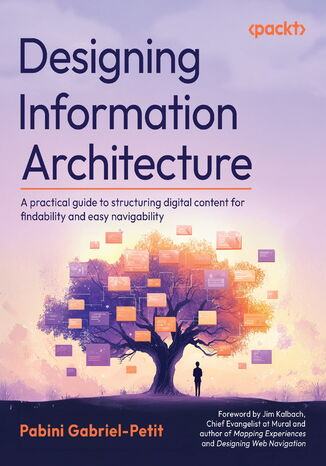
Pabini Gabriel-Petit, Jim Kalbach
In a world that suffers from information overload, how can information architects help people quickly find the exact digital content they need? This is where Designing Information Architecture comes in as your practical guide to creating easy-to-use experiences for digital information spaces—be it websites, applications, or intranets—by creating well-structured information architectures (IAs) and effective navigation and search systems. It shows you how to improve the organization, findability, and usability of digital content using proven IA design methods and strategies.Designing Information Architecture is an up-to-date resource on IA. Written by Pabini Gabriel-Petit, a recognized expert in user experience (UX) and IA with decades of industry experience, this book offers both expert insights and practical design guidance. It also explores modern, AI-driven approaches to implementing search systems that can help users overcome the challenges of information overload.Throughout the book, you’ll learn why a well-structured information architecture remains more critical than ever in delivering effective digital information spaces.*Email sign-up and proof of purchase required
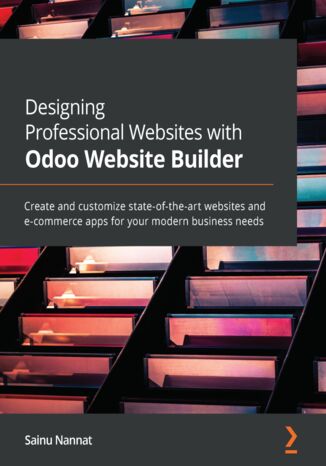
Sainu Nannat
The Odoo website builder is an operational tool in the Odoo platform that allows you to design, develop, and manage a website. This book introduces and explains all the features of the Odoo website builder that will help you to be more productive while creating websites.The book starts with an overview of the Odoo website builder, its functionalities, and the tools it offers. Using descriptive illustrations and practical examples, you’ll gain detailed insights into the block operations of the Odoo website builder and learn how to work with structure blocks, features blocks, and dynamic content blocks. As you advance, you’ll discover how to use the HTML, CSS, or JS editor in Odoo website builder applications for customization. This Odoo book will take you through the different aspects of website building and show you how e-commerce websites can be designed and developed using website builder applications. You’ll build a website, manage it, and run a discussion forum in Odoo using the website builder, and apply your knowledge to add a live chat tool that can be incorporated into your website using the Odoo website builder.By the end of this book, you’ll have gained a solid understanding of the Odoo website builder and be able to leverage its features to develop your own website.
Khalid Elshafie, Mozafar Haider
Strapi is a Node.js-based, flexible, open-source headless CMS with an integrated admin panel that anyone can use and helps save API development time. APIs built with Strapi can be consumed using REST or GraphQL from any client. With this book, you'll take a hands-on approach to exploring the capabilities of the Strapi platform and creating a custom API from scratch.This book will help JavaScript developers to put their knowledge to work by guiding them through building powerful backend APIs. You'll see how to effortlessly create content structures that can be customized according to your needs, and gain insights into how to write, edit, and manage your content seamlessly with Strapi. As you progress through the chapters, you'll discover a wide range of Strapi features, as well as understand how to add complex features to the API such as user authentication, data sorting, and pagination. You'll not only learn how to find and use existing plugins from the open-source community but also build your own plugins with custom functionality with the Strapi plugin API and add them to the admin panel. Finally, you'll learn how to deploy the API to Heroku and AWS.By the end of this book, you'll be able to build powerful, scalable, and secure APIs using Strapi.
Carlos M. Cámara Mora, Brian Teeman
Joomla! 5 is a groundbreaking CMS that helps you take a significant leap into the world of content management systems. Joomla! 5 features a variety of impressive new features that align with current web standards and enable you to experience lightning-fast performance for optimal web page optimization, leverage the new code architecture, and tap into the WebService API, among others.This book takes you on a journey of extending Joomla's capabilities by developing your own extensions. The chapters not only explain the key concepts behind Joomla's architecture but also equip you with the latest techniques for crafting components and plugins. You’ll discover how to leverage existing features within Joomla! to empower your extensions and create tailored solutions. The book takes you from the initial stages of planning your extension development to a fully featured finished product. As you advance, you'll learn invaluable techniques for testing your extension, addressing common issues, and preparing it for publication. The concluding chapters of this comprehensive guide teach you how to test your extension for common issues, along with how to publish the extension for everyone to use.By the end of this book, you’ll have the confidence and skills to complete the cycle of extension development.
Miguel Angel Garcia-Ruiz, Pedro Cesar Santana Mancilla
We live in a world surrounded by electronic devices, and microcontrollers are the brains of these devices. Microcontroller programming is an essential skill in the era of the Internet of Things (IoT), and this book helps you to get up to speed with it by working through projects for designing and developing embedded apps with microcontroller boards.DIY Microcontroller Projects for Hobbyists are filled with microcontroller programming C and C++ language constructs. You'll discover how to use the Blue Pill (containing a type of STM32 microcontroller) and Curiosity Nano (containing a type of PIC microcontroller) boards for executing your projects as PIC is a beginner-level board and STM-32 is an ARM Cortex-based board. Later, you'll explore the fundamentals of digital electronics and microcontroller board programming. The book uses examples such as measuring humidity and temperature in an environment to help you gain hands-on project experience. You'll build on your knowledge as you create IoT projects by applying more complex sensors. Finally, you'll find out how to plan for a microcontroller-based project and troubleshoot it.By the end of this book, you'll have developed a firm foundation in electronics and practical PIC and STM32 microcontroller programming and interfacing, adding valuable skills to your professional portfolio.
Django 2 by Example. Build powerful and reliable Python web applications from scratch
Antonio Melé
If you want to learn the entire process of developing professional web applications with Django 2, then this book is for you. You will walk through the creation of four professional Django 2 projects, teaching you how to solve common problems and implement best practices.You will learn how to build a blog application, a social image bookmarking website, an online shop and an e-learning platform. The book will teach you how to enhance your applications with AJAX, create RESTful APIs and set up a production environment for your Django 2 projects. The book walks you through the creation of real-world applications, solving common problems, and implementing best practices. By the end of this book, you will have a deep understanding of Django 2 and how to build advanced web applications.
Gastón C. Hillar
Django is a Python web framework that makes the web development process very easy. It reduces the amount of trivial code, which simplifies the creation of web applications and results in faster development. It is very powerful and a great choice for creating RESTful web services.If you are a Python developer and want to efficiently create RESTful web services with Django for your apps, then this is the right book for you.The book starts off by showing you how to install and configure the environment, required software, and tools to create RESTful web services with Django and the Django REST framework. We then move on to working with advanced serialization and migrations to interact with SQLite and non-SQL data sources. We will use the features included in the Django REST framework to improve our simple web service.Further, we will create API views to process diverse HTTP requests on objects, go through relationships and hyperlinked API management, and then discover the necessary steps to include security and permissions related to data models and APIs. We will also apply throttling rules and run tests to check that versioning works as expected. Next we will run automated tests to improve code coverage. By the end of the book, you will be able to build RESTful web services with Django.

Django. Tworzenie nowoczesnych aplikacji internetowych w Pythonie
Ben Shaw, Saurabh Badhwar, Andrew Bird, Bharath...
Django zaskarbił sobie uznanie wielu programistów. Jest to platforma, która udostępnia wszystkie narzędzia potrzebne do tworzenia aplikacji internetowych w Pythonie. To również narzędzie pozwalające na sprawne rozpoczęcie pracy i rozwijanie solidnego i bezpiecznego kodu. Aby jednak zapewnić sobie satysfakcję, a tworzonym projektom profesjonalną jakość, trzeba przyswoić koncepcje i zasady pracy z Django. Dzięki temu praktycznemu przewodnikowi po Django zdobędziesz wiedzę i pewność siebie potrzebne do budowania rzeczywistych aplikacji w Pythonie. W przystępny sposób opisano tu podstawowe koncepcje i funkcje Django, a następnie pokazano poszczególne etapy cyklu rozwoju rzeczywistej aplikacji internetowej. Dla celów dydaktycznych ten dość złożony projekt został podzielony na zbiór mniejszych zadań, dzięki czemu Twoja nauka będzie przebiegała w sposób efektywny i przemyślany. W trakcie wykonywania ćwiczeń zdobędziesz praktyczne umiejętności, niezbędne do budowy przyjemnych w użytkowaniu aplikacji WWW. Przekonasz się, że Django pozwala na efektywne i satysfakcjonujące budowanie nawet bardzo ambitnych projektów! W książce między innymi: konfiguracja projektu Django, szablony HTML i modele danych w Django podstawowe elementy aplikacji internetowej, w tym sesje i uwierzytelnianie dodawanie interfejsów API typu REST do aplikacji Django korzystanie z zewnętrznych bibliotek Django testowanie kodu za pomocą platform testowych Django i Pythona Django ma wszystko, czego wymaga najlepszy projektant aplikacji WWW!
Domain-Driven Design in PHP. A Highly Practical Guide
Keyvan Akbary, Carlos Buenosvinos, Christian Soronellas
Domain-Driven Design (DDD) has arrived in the PHP community, but for all the talk, there is very little real code. Without being in a training session and with no PHP real examples, learning DDD can be challenging. This book changes all that. It details how to implement tactical DDD patterns and gives full examples of topics such as integrating Bounded Contexts with REST, and DDD messaging strategies. In this book, the authors show you, with tons of details and examples, how to properly design Entities, Value Objects, Services, Domain Events, Aggregates, Factories, Repositories, Services, and Application Services with PHP. They show how to apply Hexagonal Architecture within your application whether you use an open source framework or your own.
Druk 3D. Praktyczny przewodnik po sprzęcie, oprogramowaniu i usługach. Wydanie II
Liza Wallach Kloski, Nick Kloski
Technologia druku 3D, zwanego również drukiem przestrzennym, jest uważana za jedną z najbardziej perspektywicznych. Polega na addytywnym wytwarzaniu trójwymiarowych obiektów na podstawie cyfrowego modelu. Może służyć do budowania prototypów albo gotowych produktów. Zakres komercyjnego stosowania druku 3D z każdym rokiem jest coraz szerszy. Zainteresowanie tą technologią stale rośnie, a drukarki 3D są dziś dostępne również dla pasjonatów. Oto inspirujący, przystępny i praktyczny przewodnik, dzięki któremu poznasz i zrozumiesz zasady rządzące drukiem przestrzennym. Dowiesz się, jak powstała ta technologia i jak - w zależności od jej zastosowania - wybrać najlepszy sprzęt i oprogramowanie. Nauczysz się praktycznego tworzenia modeli za pomocą programów CAD i poznasz tajniki obsługi drukarki 3D, jej konfiguracji i konserwacji, a także wykonywania prototypów i gotowych produktów. Poznasz najważniejsze przyczyny problemów z wydrukiem i metody ich unikania. Książka obejmuje bardzo szeroki zakres zagadnień, łącznie z możliwymi zastosowaniami druku przestrzennego i ze wskazówkami dotyczącymi zarabiania na tej technologii. W książce między innymi: działanie drukarki 3D i zastosowania druku przestrzennego wybór drukarki i materiałów eksploatacyjnych konfiguracja i obsługa własnej drukarki 3D praca w technologii druku 3D: od koncepcji do wydruku perspektywy drukowania 3D Przygotuj się na prawdziwą rewolucję przemysłową!
Adam Bergstein
Learning Drupal can be challenging because of its robust, extensible, and powerful capability for digital experiences, making it difficult for beginners to grasp and use it for application development. If you’re looking to break into Drupal with hands-on knowledge, this Drupal 10 Masterclass is for you.With this book, you’ll gain a thorough knowledge of Drupal by understanding its core concepts, including its technical architecture, frontend, backend, framework, and latest features. Equipped with foundational knowledge, you’ll bootstrap and install your first project with expert guidance on maintaining Drupal applications. Progressively, you’ll build applications using Drupal’s core features such as content structures, multilingual support, users, roles, Views, search, and digital assets. You’ll discover techniques for developing modules and themes and harness Drupal’s robust content management through layout builder, blocks, and content workflows. The book familiarizes you with prominent tools such as Git, Drush, and Composer for code deployments and DevOps practices for Drupal application management. You’ll also explore advanced use cases for content migration and multisite implementation, extending your application’s capabilities.By the end of this book, you’ll not only have learned how to build a successful Drupal application but may also find yourself contributing to the Drupal community.
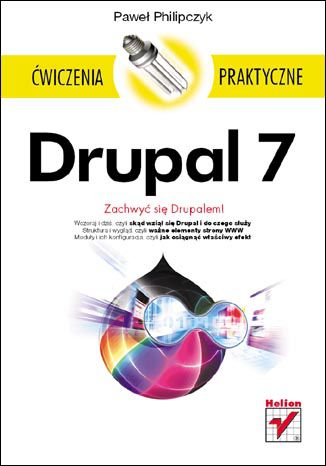
Drupal 7. Ćwiczenia praktyczne
Pawel Philipczyk
Zachwyć się Drupalem! Wczoraj i dziś, czyli skąd wziął się Drupal i do czego służy Struktura i wygląd, czyli ważne elementy strony WWW Moduły i ich konfiguracja, czyli jak osiągnąć właściwy efekt Dobre systemy zarządzania treścią są dziś jednym z najbardziej poszukiwanych towarów na rynku. Każdy chce mieć swoją własną (lub firmową) stronę internetową - jak najlepszą, interesującą i zarazem prostą w obsłudze. Jednocześnie prawie nikt nie ma tyle czasu i samozaparcia, by zgłębiać tajniki kodu HTML czy innych, bardziej skomplikowanych języków programowania. Odpowiedni CMS jest więc na wagę złota! Wśród nieprzeliczonej ilości najróżniejszych systemów zarządzania treścią zdecydowanie wyróżnia się Drupal, umożliwiający bezproblemowe tworzenie dowolnych stron WWW. Tę elastyczność zapewnia mu struktura, w ramach której projektant witryny może łączyć dowolne potrzebne mu moduły, nadawać pożądany wygląd i konfigurować całość według własnego uznania. Książka "Drupal 7. Ćwiczenia praktyczne" powstała po to, byś i Ty mógł skorzystać z niesamowitych możliwości Drupala. Znajdziesz tu informacje konieczne do rozpoczęcia pracy z tym systemem, skonfigurowania go oraz zaopatrzenia w niezbędne elementy. Nauczysz się zarządzać zawartością serwisu, odpowiednio uważnie traktować kwestie menu i nawigacji, dbać o wygląd witryny. Zrozumiesz, dlaczego różnym użytkownikom nadaje się różne uprawnienia, i odkryjesz, jak proste może być łączenie potrzebnych modułów. Poznasz także zaawansowane sposoby konfiguracji i raportowania. A wszystko to w serii praktycznych ćwiczeń — zanim się zorientujesz, Twoja zachwycająca strona WWW będzie już w pełni gotowa! Historia powstania Drupala Instalacja serwera i systemu Podstawowa konfiguracja i nawigacja Zawartość serwisu i kategorie Menu i nawigacja Bloki i obszary Wygląd i skórki Użytkownicy i uprawnienia Internacjonalizacja Moduły Konfiguracja i raporty Szukanie pomocy i rozwiązywanie problemów Drupal 7 - Twoja strona nabierze blasku!
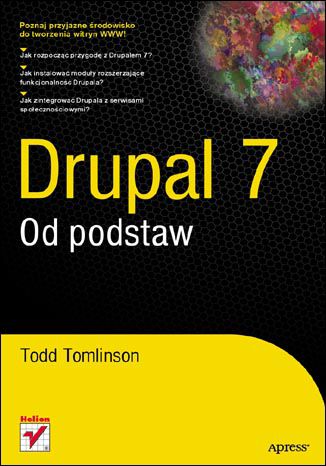
Todd Tomlinson
Poznaj przyjazne środowisko do tworzenia witryn WWW! Jak rozpocząć przygodę z Drupalem 7? Jak instalować moduły rozszerzające funkcjonalność Drupala? Jak zintegrować Drupala z serwisami społecznościowymi? Drupal to jedna z najpopularniejszych platform do tworzenia serwisów WWW. Dzięki niemu przygotujesz witrynę o dowolnej tematyce i dowolnym stopniu zaawansowania. Prywatna strona domowa, blog, firmowa strona WWW, rozbudowany portal? Żaden problem! Wiedza zawarta w tej książce oraz możliwości systemu Drupal zagwarantują sukces w każdym z wymienionych przypadków. Niniejsza książka poświęcona jest najnowszej wersji tej platformy, oznaczonej numerem 7. Stanowi ona kompletny przewodnik, dzięki któremu poznasz kroki konieczne do uruchomienia oraz skonfigurowania Twojej własnej strony WWW, opartej na Drupalu. W trakcie lektury nauczysz się tworzyć treści na stronę, zarządzać nimi oraz organizować je. Ponadto dowiesz się, jak tworzyć konta użytkowników, instalować motywy graficzne, korzystać z funkcji interaktywnych oraz projektować formularze. Zaznajomisz się z dostępnymi modułami, rozszerzającymi funkcjonalność Drupala, oraz metodami integracji z serwisami społecznościowymi, takimi jak Twitter, Facebook, YouTube. Książka ta stanowi idealne źródło informacji dla wszystkich czytelników, którzy chcą rozpocząć przygodę z platformą Drupal. Zaawansowani użytkownicy również znajdą w niej interesujące informacje. Instalowanie systemu Drupal Tworzenie i organizowanie treści Zarządzanie informacjami publikowanymi na stronach WWW Tworzenie kont użytkowników i administrowanie nimi Przygotowywanie słowników Projektowanie menu Instalowanie motywów graficznych Wybrane moduły rozszerzające funkcjonalność Uruchamianie funkcji blogowania Projektowanie formularzy internetowych Wykorzystanie technologii AJAX Tworzenie kanałów RSS Prace administracyjne przy witrynie Integracja z serwisami społecznościowymi Sklep internetowy w Drupalu Stwórz i opublikuj swoją pierwszą witrynę, wykonaną z wykorzystaniem Drupala!

Drupal 7 w praktyce. Własna strona WWW w jeden dzień
Krzysztof Palikowski
Stwórz stronę WWW z Drupalem - zrealizuj dowolny pomysł! Przygotowania i instalacja, czyli jak zacząć pracę z Drupalem na własnym komputerze. Projekt i budowa strony, czyli jak zadbać o strukturę i prezentację treści. Przenosiny do internetu, czyli jak uniknąć szkolnych błędów i głupich pomyłek. Rozwijany od 2001 roku Drupal jest jednym z najlepszych dostępnych obecnie systemów zarządzania treścią. Kolejne wersje tego CMS-a zjednywały sobie rzesze nowych entuzjastów, a ostatnia z nich zasługuje na wyjątkową uwagę wszystkich - początkujących i zaawansowanych - twórców stron WWW. Drupal 7 odznacza się ogromną elastycznością, a ponadto oferuje swoim użytkownikom ponad 1500 modułów, pozwalających niezwykle precyzyjnie zaprojektować platformę zarządzania treścią i stworzyć mechanizmy sprawnego zarządzania serwisem. Książka "Drupal 7 w praktyce. Własna strona WWW w jeden dzień" pozwoli Ci zapoznać się z tym systemem, oswoić z jego założeniami i możliwościami oraz efektywnie wykorzystać jego potencjał do własnych celów. Jej autor poprowadzi Cię od zupełnych podstaw, przez proces przygotowań i instalacji systemu, po kwestie poświęcone budowaniu strony dla klienta bądź dla siebie. Ponadto skupi się na zagadnieniach dotyczących rozmaitych uprawnień użytkowników witryny, przenoszenia jej do internetu i dalszej rozbudowy serwisu. Jeśli interesuje Cię pełne spektrum możliwości Drupala 7 i chcesz zastosować je w praktyce, nie mogłeś trafić lepiej! Drupal i inne systemy zarządzania treścią Przygotowania do instalacji systemu Instalacja i pierwsze kroki Struktura i prezentacja treści Uprawnienia i administracja Przenosiny gotowej strony WWW do internetu Utrzymanie i rozbudowa serwisu Drupal 7 - Twoja przepustka do internetu!
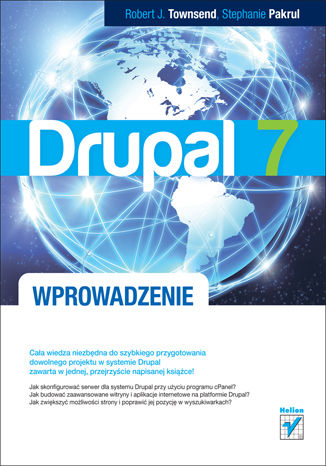
R.J. Townsend
Cała wiedza niezbędna do szybkiego przygotowania dowolnego projektu w systemie Drupal, zawarta w jednej, przejrzyście napisanej książce! Jak skonfigurować serwer dla systemu Drupal przy użyciu programu cPanel? Jak budować zaawansowane witryny i aplikacje internetowe na platformie Drupal? Jak zwiększyć możliwości strony i poprawić jej pozycję w wyszukiwarkach? Dlaczego powinieneś wreszcie opanować system Drupal? To oczywiste - przy prostym w obsłudze, a oferującym ogromne możliwości interfejsie oraz niezwykle elastycznej architekturze pozwoli Ci on osiągnąć wszystko, czego oczekują Twoi najbardziej wymagający klienci: od prostych blogów i eleganckich witryn wizerunkowych po bardzo zaawansowane serwisy, zawierające narzędzia społecznościowe i rozbudowane aplikacje e-commerce. Pracując w Drupalu, wszelkie projekty zrealizujesz znacznie szybciej i bardziej profesjonalnie niż przy użyciu jakiegokolwiek innego popularnego CMS-a. Dzięki swojej sprytnej modułowej budowie, systemowi szablonów, skutecznym mechanizmom zabezpieczeń oraz edytorom WYSIWYG Drupal daje Ci wszelkie narzędzia potrzebne do szybkiego stworzenia w pełni funkcjonalnego i atrakcyjnie wyglądającego serwisu. W dodatku ta całkowicie darmowa platforma zarządzania treścią jest stale rozwijana przez liczną, zaangażowaną społeczność programistów na całym świecie. Teraz, kiedy już wiesz, ile możesz zyskać dzięki opanowaniu możliwości Drupala, jedyne, co Ci pozostaje, to sięgnąć po ten podręcznik. Znajdziesz tu całą wiedzę niezbędną do szybkiego i sprawnego stworzenia rozbudowanej witryny w Drupalu, nawet jeśli dotąd nie miałeś żadnego doświadczania z tym (ani żadnym innym) CMS-em. Naukę zaczniesz od wyboru i optymalnego skonfigurowania serwera, poznania zasad pracy z popularną aplikacją cPanel, instalacji systemu oraz opanowania jego interfejsu administracyjnego. Następnie przeczytasz o tworzeniu treści, dodawaniu elementów menu, definiowaniu strony głównej i przygotowywaniu efektownego wyglądu graficznego serwisu za pomocą motywu Fusion. Jednak przede wszystkim opanujesz tak istotne zagadnienia, jak techniki włączania i konfigurowania modułów rdzenia oraz wykorzystania przeszło pięćdziesięciu praktycznych modułów dodatkowych! Ta książka pomoże Ci: znacząco skrócić czas potrzebny na zbudowanie rozwiniętej aplikacji internetowej zrozumieć, jak działa system Drupal, i wyrobić sobie dobre nawyki, dzięki którym z łatwością zastosujesz go w każdym projekcie skonfigurować serwer, zarządzać wieloma witrynami i pracować w środowisku testowym, w którym działa aplikacja cPanel skonfigurować programy Photoshop i Illustrator oraz zaprojektować grafikę na potrzeby serwisów w systemie Drupal znaleźć odpowiedzi na pytania w najpopularniejszych źródłach zasobów systemu Drupal w sieci Idealny podręcznik dla początkujących - od przygotowania środowiska pracy po samodzielną realizację nawet najbardziej złożonych projektów!
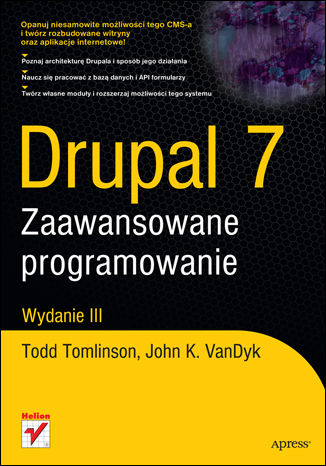
Drupal 7. Zaawansowane programowanie
Todd Tomlinson, John K. VanDyk
Opanuj niesamowite możliwości tego CMS-a i twórz rozbudowane witryny oraz aplikacje internetowe! Poznaj architekturę Drupala i sposób jego działania Naucz się pracować z bazą danych i API formularzy Twórz własne moduły i rozszerzaj możliwości tego systemu Zobacz, jak optymalnie wykorzystać jQuery w Drupalu Drupal to nie tylko kolejny, nieco lepszy od innych CMS. Ten system zarządzania treścią zrobił ostatnio oszałamiającą karierę jako doskonały framework do tworzenia wszelkiej maści aplikacji internetowych. Dzięki niezwykłej łatwości i szybkości, z jaką Drupal pozwala programistom tworzyć rozbudowane blogi, profesjonalne witryny korporacyjne czy serwisy społecznościowe, zainteresowanie tą technologią zaczęło dynamicznie wzrastać. Co więcej, choć już dziś wydaje się, że sposoby wykorzystania tego CMS-a ogranicza jedynie ludzka wyobraźnia, system jest wciąż intensywnie rozwijany przez liczną społeczność entuzjastów na całym świecie. Możliwość czerpania z ogromnych zasobów wiedzy tysięcy programistów poprawi jakość Twoich nawet najbardziej wyrafinowanych internetowych projektów. Jeśli chcesz tworzyć nowoczesne, rozbudowane witryny internetowe z wykorzystaniem Drupala 7, właśnie znalazłeś idealny podręcznik dla siebie! Omówiono tu wszystko, co będzie Ci potrzebne, począwszy od podstawowych zagadnień, takich jak architektura i struktura plików systemu, przez sposoby wykorzystania API formularzy czy dodawania własnych modułów w celu rozszerzania możliwości, aż po metody tworzenia bezpiecznego, wydajnego kodu. Dowiesz się więcej na temat pracy z bazą danych, uruchomienia własnej strony wyszukiwarki oraz korzystania z jQuery w Drupalu. Nauczysz się także sprawnie optymalizować Drupal i przeprowadzać skuteczne testy oraz poznasz wiele innych praktycznych zagadnień, które sprawią, że bez trudu zrozumiesz zasady działania tego CMS-a oraz pokonasz wszelkie problemy napotykane w trakcie pracy. Z tej książki dowiesz się między innymi: jak działa Drupal i jaką ma architekturę jak tworzyć dodatkowe, funkcjonalne moduły jak pracować z bazą danych i API formularzy jak wygląda obsługa użytkowników, segmentów i pól jak przechowywać dane w sesjach jak zapewnić wyszukiwanie i indeksowanie informacji jak wykorzystać jQuery w Drupalu jak tworzyć czysty, bezpieczny kod jak optymalizować działanie Drupala jak przeprowadzić efektywny proces testowania Todd Tomlinson - przez piętnaście lat zajmował się projektowaniem, rozwijaniem, wdrażaniem i konserwacją zaawansowanych rozwiązań internetowych. Pracował m.in. w Oracle Corporation jako specjalista od opracowywania planów strategicznych pod kątem najlepszego wykorzystania możliwości Internetu. Todd uwielbia Drupal, który jest przez niego wykorzystywany jako główne narzędzie do tworzenia przyjemnych dla oka i funkcjonalnych witryn. Jest autorem książki "Drupal 7. Od podstaw". John K. VanDyk jest starszym architektem aplikacji webowych w Lullabot — firmie zajmującej się szkoleniami i konsultingiem Drupala. Wcześniej był analitykiem i adiunktem na Stanowym Uniwersytecie Naukowo-Technicznym w Iowa (USA). Na swoim koncie ma już jedną książkę na temat tego CMS-a: "Pro Drupal Development. Second Edition".
Drupal 8 Blueprints. Step along the creation of 7 professional-grade Drupal sites
Alex Burrows
Drupal is an open source content management framework that can be used for developing websites and simplifying online management of content for users.This book is a must-have for web developers who are looking to create professional-grade websites using Drupal 8. While building 7 different Drupal websites, we will focus on implementing the out of the box features that come with Drupal 8 and see how we can make some complex sites with minimal custom code. Focusing completely on Drupal 8, this book will help you leverage the new Drupal 8 features such as creating a different types and layouts of content using configuration to build in core with its built-in web services facilities, and effortless authoring using the new CKEditor with an effortless and efficient industry standard approach.The book starts with getting started with the development environment of Drupal. Each chapter will start with a brief overview of the site to be built and the required features. Then, we will proceed to create customized modules and themes and integrate third-party plugins. Lastly, you will learn about headless Drupal that uses RESTful services that would help you to display content outside of DrupalBy the end of the book, you will be able to implement the knowledge gained to build your own custom websites using Drupal 8.
Drupal 8 Configuration Management
Stefan Borchert, Anja Schirwinski
Drupal 8 Configuration Management is intended for people who use Drupal 8 to build websites, whether you are a hobbyist using Drupal for the first time, a long-time Drupal site builder, or a professional web developer.
Matt Glaman
Began as a message board, Drupal today is open source software maintained and developed by a community of over 1,000,000 users and developers. Drupal is used by numerous local businesses to global corporations and diverse organizations all across the globe. With Drupal 8’s exciting features it brings, this book will be your go-to guide to experimenting with all of these features through helpful recipes.We’ll start by showing you how to customize and configure the Drupal environment as per your requirements, as well as how to install third-party libraries and then use them in the Drupal environment. Then we will move on to creating blocks and custom modules with the help of libraries. We will show you how to use the latest mobile-first feature of Drupal 8, which will help you make your apps responsive across all the major platforms. This book will also show you how to incorporate multilingual facilities in your sites, use web services and third-party plugins with your applications from inside Drupal 8, and test and deploy your apps.
Drupal 8 Module Development. Build and customize Drupal 8 modules and extensions efficiently
Daniel Sipos
Drupal is an open source web-based content management system (CMS) that can be used for building anything from simple websites to complex applications. It enables individuals and organizations to build platforms that engage users and deliver the right content at the right time.Drupal 8 is an exciting new development in the Drupal community. However, the differences from the previous version are substantial and this can put quite some pressure on Drupal 7 developers that need to catch up. This book aims to help such developers in getting up to speed with Drupal 8 module development. The book first introduces you to the Drupal 8 architecture and its subsystems before diving into creating your first module with basic functionality. Building upon that, you will cover many core APIs and functionalities available to module developers.You will work with the Drupal logging and mailing systems, learn how to output data using the theme layer and work with menus and links programmatically. Then, you will learn how to work with different kinds of data storages, create custom entities, field types and leverage the Database API for lower level database queries. Moreover, you will learn about the Drupal 8 access system and caching layer as well as the APIs used for data processing (queues and batches).You will further see how to introduce javascript into your module, work with the various file systems and ensure the code you write works on multilingual sites. Finally, you will learn how to programmatically work with Views, write automated tests for your functionality and also write secure code in general.By the end of the book, you will have learned how to develop your own custom module from scratch that can help solve a small problem or even provide complex functionality. And who knows, maybe you’ll even contribute it back to the Drupal community.
Daniel Sipos
Drupal 8 comes with a release cycle that allows for new functionality to be added at a much faster pace. However, this also means code deprecations and changing architecture that you need to stay on top of. This book updates the first edition and includes the new functionality introduced in versions up to, and including 8.7.The book will first introduce you to the Drupal 8 architecture and its subsystems before diving into creating your first module with basic functionality. You will work with the Drupal logging and mailing systems, learn how to output data using the theme layer and work with menus and links programmatically. Then, you will learn how to work with different kinds of data storages, create custom entities, field types and leverage the Database API for lower level database queries. You will further see how to introduce JavaScript into your module, work with the various file systems and ensure the code you write works on multilingual sites. Finally, you will learn how to programmatically work with Views, write automated tests for your functionality and also write secure code in general.By the end, you will have learned how to develop your own custom module that can provide complex business solutions. And who knows, maybe you’ll even contribute it back to the Drupal community.Foreword by Dries Buytaert, founder of Drupal.