
Bezpieczeństwo systemów
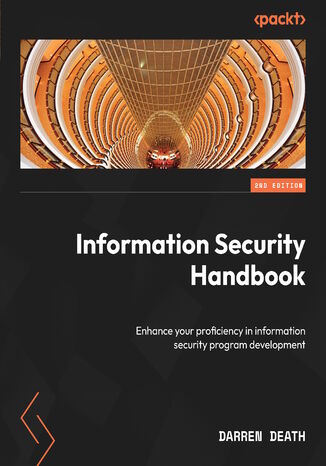
Darren Death
Information Security Handbook is a practical guide that’ll empower you to take effective actions in securing your organization’s assets. Whether you are an experienced security professional seeking to refine your skills or someone new to the field looking to build a strong foundation, this book is designed to meet you where you are and guide you toward improving your understanding of information security.Each chapter addresses the key concepts, practical techniques, and best practices to establish a robust and effective information security program. You’ll be offered a holistic perspective on securing information, including risk management, incident response, cloud security, and supply chain considerations. This book has distilled years of experience and expertise of the author, Darren Death, into clear insights that can be applied directly to your organization’s security efforts. Whether you work in a large enterprise, a government agency, or a small business, the principles and strategies presented in this book are adaptable and scalable to suit your specific needs.By the end of this book, you’ll have all the tools and guidance needed to fortify your organization’s defenses and expand your capabilities as an information security practitioner.

Gerard Johansen
Informatyka śledcza zapewnia narzędzia nie tylko prowadzącym dochodzenia kryminalne, ale również specjalistom do spraw cyberbezpieczeństwa. Na tym polu trwa ciągły wyścig zbrojeń między nimi a przestępcami, gdyż konsekwencje udanego ataku mogą się okazać niezwykle poważne. Umiejętność poprawnego reagowania na incydenty bezpieczeństwa jest tu kluczową sprawą. Ta książka jest przewodnikiem dla profesjonalistów do spraw cyberbezpieczeństwa. Przedstawia podstawowe zasady reagowania na incydenty bezpieczeństwa i szczegółowo, na przykładach, omawia proces tworzenia zdolności szybkiej i skutecznej reakcji na takie zdarzenia. Zaprezentowano tu techniki informatyki śledczej, od pozyskiwania dowodów i badania pamięci ulotnej po badanie dysku twardego i dowodów pochodzących z sieci. Szczególną uwagę poświęcono zagrożeniom atakami ransomware. Nie zabrakło omówienia roli analizy zagrożeń w procesie reagowania na incydenty, a także zasad sporządzania raportów dokumentujących reakcję na incydent i wyniki analizy. Pokazano również, w jaki sposób prowadzi się polowania na zagrożenia. Z tą książką: zbudujesz zdolność reagowania na incydenty w swojej organizacji nauczysz się poprawnego zbierania i analizowania dowodów zintegrujesz techniki i procedury śledcze z ogólnym procesem reagowania na incydenty przyswoisz różne metody polowania na zagrożenia opanujesz sposoby tworzenia raportów z incydentów wdrożysz odpowiednie praktyki reagowania na ataki ransomware Przygotuj się, znajdź i zlikwiduj zagrożenie!
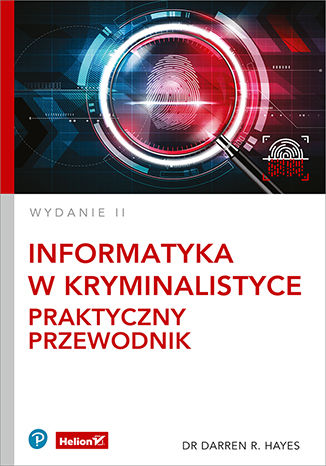
Informatyka w kryminalistyce. Praktyczny przewodnik. Wydanie II
Darren R. Hayes
Nasilanie się zjawiska cyberprzestępczości sprawia, że prowadzenie dochodzeń kryminalnych wymaga specjalnych umiejętności i wiedzy technicznej. Bez odpowiedniego materiału dowodowego niemożliwe jest oskarżenie i osądzenie winnych. Sytuację utrudnia rozwój technologii: serwisy społecznościowe, urządzenia mobilne czy internet rzeczy są wykorzystywane do popełniania przestępstw na wiele dotychczas nieznanych sposobów. W tych warunkach informatycy śledczy są bardzo potrzebni, a specjaliści dysponujący aktualną wiedzą - wręcz bezcenni. Oto znakomity i w pełni zaktualizowany przewodnik po informatyce śledczej, uwzględniający najnowsze techniki, narzędzia i rozwiązania. W książce omówiono praktyczne aspekty zarówno umiejętności technicznych, jak i spraw ważnych z punktu widzenia prowadzenia dochodzeń w internecie i laboratorium. Opisano istotne zagadnienia dotyczące dokumentacji, dopuszczalności dowodów i innych aspektów prawnych. Szczegółowo zaprezentowano technologie ubieralne, analizy śledcze urządzeń IoT, kwestie komunikacji 5G, analizy śledczej pojazdów i analiz aplikacji mobilnych. Opracowanie uwzględnia też postępy w dziedzinie reagowania na incydenty oraz nowe techniki badania urządzeń mobilnych. Treści zostały uzupełnione praktycznymi zadaniami, realistycznymi przykładami oraz fascynującymi studiami przypadków. Dzięki książce dowiesz się, jak: wygląda praca informatyka śledczego wykorzystywać nowinki technologiczne w procesie zbierania dowodów rozpoznać naruszenia bezpieczeństwa i prawidłowo reagować na incydenty badać oszustwa finansowe analizować technologie ubieralne i urządzenia IoT zapewnić, aby zdobyte dowody zostały uznane w sądzie Wykryj. Znajdź dowody. Zabezpiecz je i zbadaj!
Joseph MacMillan
Information security and risk management best practices enable professionals to plan, implement, measure, and test their organization's systems and ensure that they're adequately protected against threats.The book starts by helping you to understand the core principles of information security, why risk management is important, and how you can drive information security governance. You'll then explore methods for implementing security controls to achieve the organization's information security goals. As you make progress, you'll get to grips with design principles that can be utilized along with methods to assess and mitigate architectural vulnerabilities. The book will also help you to discover best practices for designing secure network architectures and controlling and managing third-party identity services. Finally, you will learn about designing and managing security testing processes, along with ways in which you can improve software security.By the end of this infosec book, you'll have learned how to make your organization less vulnerable to threats and reduce the likelihood and impact of exploitation. As a result, you will be able to make an impactful change in your organization toward a higher level of information security.
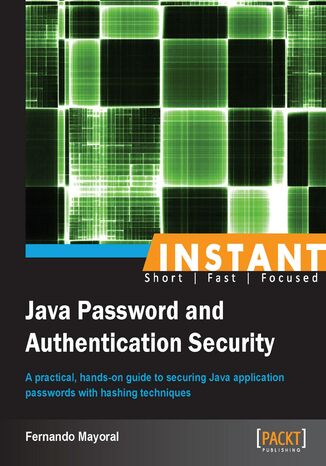
Fernando Mayoral
Password security is a critical matter when it comes to protecting the interests of application users and their data for a satisfactory user experience. With the advancement in technology, now more than ever, application developers need to be able to implement reliable mechanisms to prevent passwords from being stolen. Java Password and Authentication Security provides a practical approach to implement these reliable mechanisms with the possibility to make password authentication stronger as technology makes it easier to break them.Java Password and Authentication Security is a practical, hands-on guide covering a number of clear, step-by-step exercises and code examples that will help you to implement strong password authentication solutions for your project in no time.This book starts off with the most basic and well known hashing technique to quickly get an application developer started with implementing a standard password protection mechanism. Furthermore, it covers the stronger SHA (standard hashing algorithm) family in detail and brings up a technique to improve the hash security with a technique called “salting”.You will also learn how to use these hashes, and more importantly, when to use each technique. You will learn that not every hash algorithm is good in every situation, and how to deal with password recovery, password authentication, and timing attacks.
Megan Roddie, Jason Deyalsingh, Gary J. Katz
Efektywny potok detekcji zagrożeń jest niezbędnym elementem programu cyberbezpieczeństwa. W procesach inżynierii detekcji szczególną uwagę należy poświęcić technikom tworzenia i walidacji mechanizmów detekcji. To oczywiste - od ich jakości zależy skuteczność zabezpieczeń w organizacji. Trzeba więc zrozumieć, czym jest inżynieria detekcji i jakie ma znaczenie dla cyberbezpieczeństwa. Oto przewodnik po inżynierii detekcji, przeznaczony dla inżynierów zabezpieczeń i analityków bezpieczeństwa. Zaprezentowano w nim praktyczną metodologię planowania, budowy i walidacji mechanizmów wykrywania zagrożeń. Opisano zasady pracy z frameworkami służącymi do testowania i uwierzytelniania programu inżynierii detekcji. Książka zawiera przykłady dotyczące zagadnień z całego cyklu, od utworzenia reguły detekcji po jej walidację, a omawianej tematyce towarzyszy bogaty zestaw samouczków, projektów i pytań sprawdzających. To doskonałe źródło wiedzy o zasadach pracy inżyniera detekcji i o ciągłym rozwoju tej dziedziny. W książce: przebieg procesu inżynierii detekcji budowa laboratorium testowego utrzymywanie mechanizmów detekcji w formie ustandaryzowanego kodu tworzenie mechanizmów detekcji wczesne wykrywanie cyberataków i złośliwej aktywności ścieżki kariery w inżynierii detekcji Nie oczekuj, że wróg się nie zjawi. Przygotuj się, aby go odpowiednio przyjąć!

Inżynieria odwrotna w praktyce. Narzędzia i techniki
Bruce Dang, Alexandre Gazet, Elias Bachaalany, Sébastien...
Inżynieria odwrotna pozwoli Ci na walkę z hakerami i rootkitami. Na użytkowników globalnej sieci czekają coraz wymyślniejsze pułapki. Każdego dnia grozi im zarażenie oprogramowaniem szpiegującym, rozsyłającym niechciane wiadomości lub wykorzystującym moc obliczeniową procesora do nieznanych celów. Wykrywanie tego typu zagrożeń i przeciwdziałanie im wymaga dogłębnej analizy niechcianego oprogramowania. Jak to zrobić? Na te i wiele innych pytań odpowiedzi dostarczy ta wspaniała książka! Dzięki niej zrozumiesz, jak działają procesory x86, x64 oraz ARM, zgłębisz tajniki jądra systemu Windows oraz poznasz najlepsze narzędzia, które wspomogą Cię w Twoich działaniach. W trakcie lektury kolejnych stron dowiesz się, jak korzystać z debuggera, jaką strukturę mają sterowniki oraz czym są pakiety żądań wejścia-wyjścia. Następnie dowiesz się, po co zaciemnia się kod oraz jakie narzędzia są do tego potrzebne. Techniką odwrotną do zaciemniania jest rozjaśnianie kodu. Zastanawiasz się, które narzędzia są skuteczniejsze? Przekonaj się sam! Ta pasjonująca lektura dostarczy Ci mnóstwo wiedzy na temat działania oprogramowania. Odkryj nowatorskie, usystematyzowane podejście do inżynierii zwrotnej oparte na analizie prawdziwego złośliwego oprogramowania. Poznaj szczegóły trzech najpopularniejszych architektur: x86, x64 i ARM. Zapoznaj się ze szczegółowo omówionymi zagadnieniami związanymi z jądrem systemu Windows oraz sterownikami działającymi w trybie jądra, które zostały opatrzone przykładowymi analizami prawdziwych rootkitów oraz ćwiczeniami. Opanuj skomplikowane techniki zaciemniania kodu takie jak te, które są stosowane w zabezpieczeniach mających postać maszyny wirtualnej. Dowiedz się jak analizować zabezpieczone programy. Odkryj zaawansowane techniki debugowania i automatyzacji, które przyśpieszą wykonywanie zadań związanych z inżynierią odwrotną. Przyjrzyj się jak profesjonaliści analizują programy. Zastosuj zdobytą wiedzę podczas samodzielnej analizy próbek prawdziwego złośliwego oprogramowania. Dowiedz się, jak działają exploity, wirusy, rootkity! Ich działanie można w pełni zrozumieć tylko poprzez inżynierię odwrotną...
Gianluca Tiepolo
Professionals working in the mobile forensics industry will be able to put their knowledge to work with this practical guide to learning how to extract and analyze all available data from an iOS device.This book is a comprehensive, how-to guide that leads investigators through the process of collecting mobile devices and preserving, extracting, and analyzing data, as well as building a report. Complete with step-by-step explanations of essential concepts, practical examples, and self-assessment questions, this book starts by covering the fundamentals of mobile forensics and how to overcome challenges in extracting data from iOS devices. Once you've walked through the basics of iOS, you’ll learn how to use commercial tools to extract and process data and manually search for artifacts stored in database files. Next, you'll find out the correct workflows for handling iOS devices and understand how to extract valuable information to track device usage. You’ll also get to grips with analyzing key artifacts, such as browser history, the pattern of life data, location data, and social network forensics.By the end of this book, you'll be able to establish a proper workflow for handling iOS devices, extracting all available data, and analyzing it to gather precious insights that can be reported as prosecutable evidence.