
Python
W kategorii Python zostały zebrane podręczniki poruszające tematykę programowania z zastosowaniem praktycznie niezależnego sprzętowo, dostępnego na licencji Open Source języka. Książki przedstawią Wam wszechstronności i elastyczności Pythona a także różne typy tworzenia kodu poprzez programowanie strukturalne, obiektowe czy funkcjonalne.
Nauczycie się tworzyć aplikacje sieciowe o dowolnym przeznaczeniu, komunikujące się z systemami operacyjnymi, lub korzystające z baz danych. Techniki analizy składni, przetwarzanie tekstu czy rozłożenie obciążenia programu na wiele wątków i procesów przestanie być problematyczne.
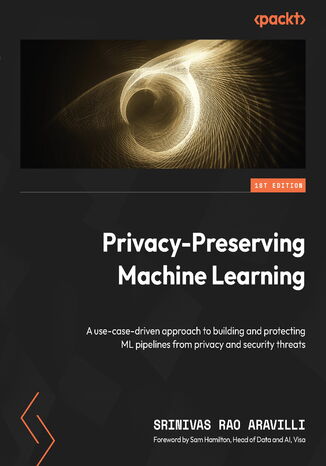
Srinivasa Rao Aravilli, Sam Hamilton
– In an era of evolving privacy regulations, compliance is mandatory for every enterprise – Machine learning engineers face the dual challenge of analyzing vast amounts of data for insights while protecting sensitive information – This book addresses the complexities arising from large data volumes and the scarcity of in-depth privacy-preserving machine learning expertise, and covers a comprehensive range of topics from data privacy and machine learning privacy threats to real-world privacy-preserving cases – As you progress, you’ll be guided through developing anti-money laundering solutions using federated learning and differential privacy – Dedicated sections will explore data in-memory attacks and strategies for safeguarding data and ML models – You’ll also explore the imperative nature of confidential computation and privacy-preserving machine learning benchmarks, as well as frontier research in the field – Upon completion, you’ll possess a thorough understanding of privacy-preserving machine learning, equipping them to effectively shield data from real-world threats and attacks
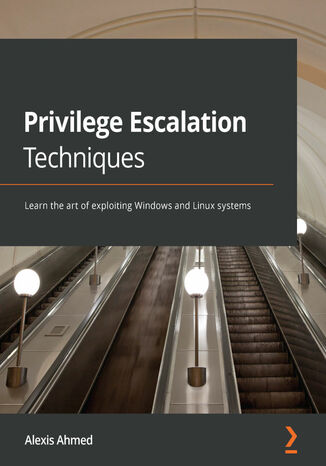
Privilege Escalation Techniques. Learn the art of exploiting Windows and Linux systems
Alexis Ahmed
Privilege Escalation Techniques is a detailed guide to privilege escalation techniques and tools for both Windows and Linux systems. This is a one-of-a-kind resource that will deepen your understanding of both platforms and provide detailed, easy-to-follow instructions for your first foray into privilege escalation. The book uses virtual environments that you can download to test and run tools and techniques. After a refresher on gaining access and surveying systems, each chapter will feature an exploitation challenge in the form of pre-built virtual machines (VMs). As you progress, you will learn how to enumerate and exploit a target Linux or Windows system. You’ll then get a demonstration on how you can escalate your privileges to the highest level.By the end of this book, you will have gained all the knowledge and skills you need to be able to perform local kernel exploits, escalate privileges through vulnerabilities in services, maintain persistence, and enumerate information from the target such as passwords and password hashes.
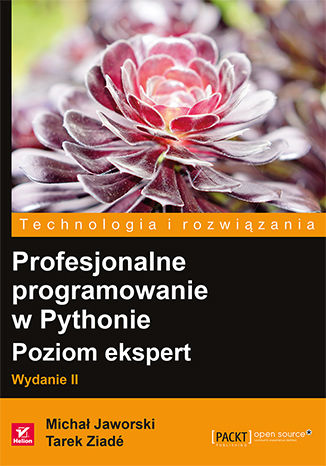
Profesjonalne programowanie w Pythonie. Poziom ekspert. Wydanie II
Michal Jaworski, Tarek Ziade
Twórcy Pythona niemal od początku starali się opracować wieloparadygmatowy język zorientowany na czytelność kodu i produktywność programisty. Dziś język ten jest uważany za wszechstronny i potężny, a do tego cechuje się prostotą i elastycznością. Nadaje się zarówno do pisania niedużych skryptów, jak i wielkich systemów, a także do wysoce specjalistycznych zadań, jak choćby analiza danych w celach naukowych. Mimo to pisanie kodu, który jest wydajny, prosty w utrzymaniu oraz łatwy w użyciu, wciąż sprawia problemy nawet zaawansowanym programistom Pythona. Niniejsza książka jest zbiorem praktyk stosowanych przez najlepszych programistów pracujących z Pythonem. Jest przeznaczona dla osób zawodowo zajmujących się rozwojem oprogramowania oraz dla ambitnych pasjonatów w tej dziedzinie. Poza opisem zaawansowanych technik programowania w Pythonie znalazły się tu również informacje o narzędziach i technikach stosowanych obecnie przez profesjonalnych programistów. Opisano metody zarządzania kodem, tworzenia, dokumentowania i testowania kodu oraz zasady optymalizacji oprogramowania. Przedstawiono również wzorce projektowe, które szczególnie docenią programiści Pythona. Najważniejsze zagadnienia przedstawione w książce: metodologie pracy w Pythonie i najlepsze praktyki składniowe rozszerzenia Pythona napisane w innych językach programowania techniki profilowania aplikacji przetwarzanie współbieżne i równoległe najprzydatniejsze wzorce projektowe Python — niezawodne narzędzie dla profesjonalisty!
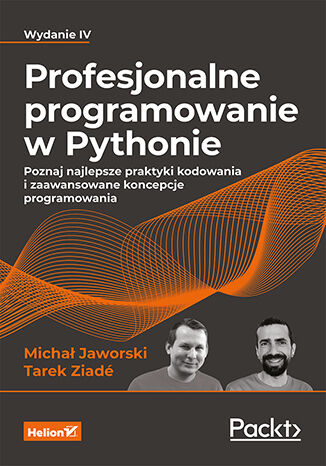
Michał Jaworski, Tarek Ziadé
Python cechuje się dużą prostotą, a przy tym jest wszechstronny. Ma bardzo szeroki zakres zastosowania, przez co coraz więcej osób podejmuje naukę programowania w tym języku. Python należy do języków najczęściej używanych przez programistów, którzy tworzą w nim gry i aplikacje webowe. Świetnie sprawdza się ponadto w pracy z wykorzystaniem sztucznej inteligencji i uczenia maszynowego. Tym, co programiści doceniają w Pythonie, jest też obiektywność. Ucząc się, przyswajamy bowiem również zasady programowania obiektywnego, a więc koncepcji dla wielu innych języków. Oto książka, którą docenią i osoby rozpoczynające przygodę z programowaniem, i programiści znający już inne języki. Znajdziesz tu zarówno podstawowe informacje o Pythonie, jak i wskazówki dotyczące pisania rozszerzeń, dzięki którym będziesz w stanie korzystać z atutów kilku języków. Przydatnym uzupełnieniem są liczne przykłady, pokazujące, jak rozwiązywać częste problemy. To już czwarte wydanie tego praktycznego podręcznika ? docenianego za to, że pozwala dobrze poznać Pythona i uczy, jak pisać wydajny i czytelny kod. Z książki dowiesz się: jakie są najważniejsze usprawnienia w Pythonie jak przeprowadzić izolację środowiska jak używać najnowszych funkcji w Pythonie czym Python się różni od innych języków co to jest współbieżność i wielowątkowość na czym polega programowanie sterowane zdarzeniami jakie są elementy metaprogramowania jak przeprowadzić automatyzację kontroli jakości jak optymalizować kod Koduj wszystko w Pythonie. Obiektywnie, strukturalnie i funkcjonalnie!
Matthew Whiteside
Programming Puzzles is a meticulously crafted collection designed to elevate your coding skills through engaging and challenging exercises. The book begins with a helpful guide on getting started, ensuring that readers are well-prepared to tackle the puzzles ahead. As you delve deeper, you'll encounter a series of challenge puzzles that test your logical thinking and problem-solving abilities, followed by fun puzzles that offer a more relaxed yet equally rewarding experience.Hints are provided for the challenge puzzles to guide you through particularly tough spots, ensuring you stay motivated without giving away the solutions. Once you've worked through the puzzles, comprehensive solutions are provided, allowing you to understand different approaches and learn from your mistakes. Each section of the book is designed to progressively build your skills, from basic logic to advanced problem-solving techniques, making it an invaluable resource for anyone looking to improve their programming abilities.The journey through this book is not just about finding solutions; it's about developing a deeper understanding of how to approach and solve complex problems. By the end of this book, you'll have honed your coding skills, enhanced your logical thinking, and gained a new appreciation for the art of problem-solving in programming.
Programowalność i automatyzacja sieci. Poradnik inżyniera sieci następnej generacji
Jason Edelman, Scott S. Lowe, Matt Oswalt
Programowalna i zautomatyzowana sieć upraszcza pracę jej administratora. Rozwój technologii radykalnie komplikuje takie zadania jak zarządzanie i operowanie sprzętem sieciowym, topologiami sieci i połączeniami sieciowymi. Trzeba tu mieć na uwadze systemy operacyjne, nowe metodologie oraz narzędzia. W takich warunkach zarządzanie większą czy nieco bardziej złożoną siecią wyłącznie za pomocą działań manualnych jest obarczone sporym ryzykiem. Profesjonalny inżynier sieciowy musi dziś dobrze orientować się w świecie programowalności i automatyzacji sieci. Powinien poznawać nowe protokoły, technologie, modele dostarczania i pojawiające się w związku z nimi potrzeby biznesowe. W tej książce znajdziesz solidne podstawy pozwalające zapewnić sieci programowalność i zautomatyzowanie jej pracy. Dowiesz się, jakie narzędzia i umiejętności będą potrzebne do dokonania tego kluczowego przekształcenia w sieć nowej generacji. W bardzo przystępny i praktyczny sposób wyjaśniono, jak korzystać z takich technologii jak Linux, Python, JSON i XML, aby programowo zautomatyzować pracę systemu. Opisano koncept modeli danych, podstawy języka YANG oraz najważniejsze technologie związane z API. Sporo miejsca poświęcono narzędziom open source służącym do automatyzacji pracy sieci. Znalazły się tu również informacje o interfejsach macvlan, sieciach wykorzystujących maszyny wirtualne, sieciowych przestrzeniach nazw oraz o bibliotece Pythona NAPALM i jej integracji z narzędziami: Ansible, Salt i StackStorm. W książce między innymi: powstanie sieci sterowanych programowo technologie automatyzacji sieci Linux i Python a technologie sieciowe praca z szablonami konfiguracji sieciowej kontrola źródła w pracy z niektórymi serwisami online prosty przepływ pracy w automatyzacji sieci Sieć zautomatyzowana i programowalna - najlepszy przyjaciel admina!
Programowanie dla początkujących w 24 godziny. Wydanie IV
Greg Perry, Dean Miller
Warto nauczyć się programowania! Poza stworzeniem sobie możliwości znalezienia ciekawej i dobrze płatnej pracy czy pasjonującego hobby umiejętność programowania bywa niezwykle przydatna w rozwiązywaniu różnych problemów. Paleta języków programowania i narzędzi programistycznych jest niezwykle szeroka i praktycznie każdy znajdzie coś dla siebie. Zanim to jednak nastąpi, trzeba zdobyć trochę wiedzy i umiejętności. Ale bez obaw! W nauce programowania najtrudniejszy bywa pierwszy krok, jednak ta książka sprawi, że wykonasz go bez trudu i dumnie wkroczysz w świat kodowania! To kolejne wydanie lubianego samouczka, dzięki któremu w ramach 24 godzinnych lekcji przyswoisz solidne podstawy programowania. Zrozumiesz, jak działają programy, i nauczysz się reguł stosowanych przez profesjonalistów przy ich projektowaniu. Dowiesz się, jak wygląda świat programistów i na czym dokładnie polega programowanie w korporacjach. Znajdziesz tutaj także wprowadzenie do kilku najpopularniejszych języków programowania, co pozwoli na ich porównanie i ułatwi wybór języka do dalszej nauki. Każdy z 24 rozdziałów zawiera materiał, który można opanować w ciągu godziny. Naukę ułatwiają instrukcje krok po kroku, quizy, ćwiczenia i praktyczne przykłady. Dzięki tej książce zdobędziesz najlepsze podstawy, aby stać się dobrym programistą. Przygotujesz się też do świadomego kształtowania swojej dalszej ścieżki zawodowej! W książce między innymi: przygotowanie narzędzi do pracy - sprzęt i oprogramowanie podstawowe aspekty programowania i projektowania programów algorytmy, interaktywność, zmienne, funkcje debugowanie kodu programowanie obiektowe i korzystanie z baz danych planowanie kariery programisty Zacznij programować. Najlepiej od razu!
Programowanie funkcyjne w Pythonie. Jak pisać zwięzły, wydajny i ekspresywny kod. Wydanie III
Steven F. Lott
Mimo że Python nie jest typowym językiem programowania funkcyjnego, umożliwia pisanie kodu w sposób właściwy dla tego podejścia. W efekcie można tworzyć zwięzłe i eleganckie programy, które działają szybciej i zużywają mniej zasobów. Jeśli uważasz, że te argumenty uzasadniają zapoznanie się z funkcyjnym podejściem do programowania w Pythonie, to ta książka jest dla Ciebie. Dzięki temu praktycznemu podręcznikowi zrozumiesz, kiedy i dlaczego warto zastosować myślenie funkcyjne, a także jak korzystać z technik funkcyjnych w różnych scenariuszach. Dowiesz się również, jakie narzędzia i biblioteki przeznaczone do tego celu są dostępne w Pythonie i jak używać wyrażeń generatorowych, list składanych i dekoratorów. W tym wydaniu znalazły się nowe rozdziały dotyczące złożonych obiektów bezstanowych, funkcji kombinatorycznych i pakietu toolz, zawierającego zbiór modułów wspomagających pisanie programów funkcyjnych. Umieszczono tu ponadto sporo ciekawych przykładów, dotyczących choćby eksploracyjnej analizy danych i ich czyszczenia. W książce między innymi: najciekawsze biblioteki i wbudowane funkcje wyższego rzędu w Pythonie tworzenie funkcji generatorowych i leniwe wartościowanie implementacja dekoratorów do kompozycji funkcyjnej podpowiedzi typów w Pythonie obsługa współbieżności i implementacja usług sieciowych biblioteka PyMonad i tworzenie symulacji z obsługą stanów Chcesz tworzyć wydajny kod? Naucz się programowania funkcyjnego!