
Python
W kategorii Python zostały zebrane podręczniki poruszające tematykę programowania z zastosowaniem praktycznie niezależnego sprzętowo, dostępnego na licencji Open Source języka. Książki przedstawią Wam wszechstronności i elastyczności Pythona a także różne typy tworzenia kodu poprzez programowanie strukturalne, obiektowe czy funkcjonalne.
Nauczycie się tworzyć aplikacje sieciowe o dowolnym przeznaczeniu, komunikujące się z systemami operacyjnymi, lub korzystające z baz danych. Techniki analizy składni, przetwarzanie tekstu czy rozłożenie obciążenia programu na wiele wątków i procesów przestanie być problematyczne.
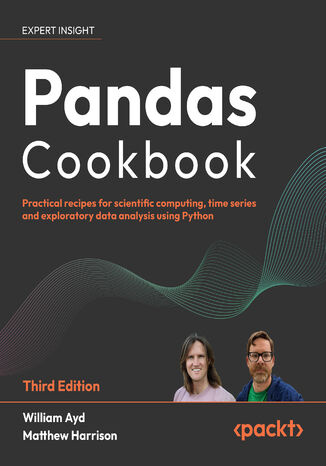
William Ayd, Matthew Harrison, Wes McKinney
Unlock the full power of pandas 2.x with this hands-on cookbook, designed for Python developers, data analysts, and data scientists who need fast, efficient solutions for real-world data challenges. This book provides practical, ready-to-use recipes to streamline your workflow. With step-by-step guidance, you'll master data wrangling, visualization, performance optimization, and scalable data analysis using pandas’ most powerful features. From importing and merging large datasets to advanced time series analysis and SQL-like operations, this cookbook equips you with the tools to analyze, manipulate, and visualize data like a pro. Learn how to boost efficiency, optimize memory usage, and seamlessly integrate pandas with NumPy, PyArrow, and databases. This book will help you transform raw data into actionable insights with ease.*Email sign-up and proof of purchase required
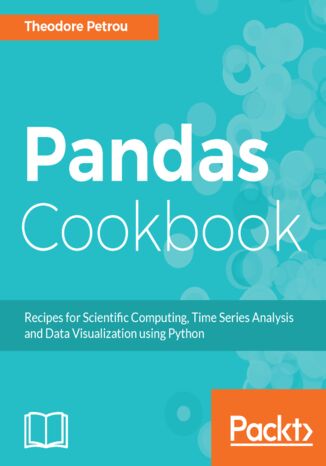
Theodore Petrou, Kuntal Ganguly
This book will provide you with unique, idiomatic, and fun recipes for both fundamental and advanced data manipulation tasks with pandas 0.20. Some recipes focus on achieving a deeper understanding of basic principles, or comparing and contrasting two similar operations. Other recipes will dive deep into a particular dataset, uncovering new and unexpected insights along the way.The pandas library is massive, and it's common for frequent users to be unaware of many of its more impressive features. The official pandas documentation, while thorough, does not contain many useful examples of how to piece together multiple commands like one would do during an actual analysis. This book guides you, as if you were looking over the shoulder of an expert, through practical situations that you are highly likely to encounter.Many advanced recipes combine several different features across the pandas 0.20 library to generate results.
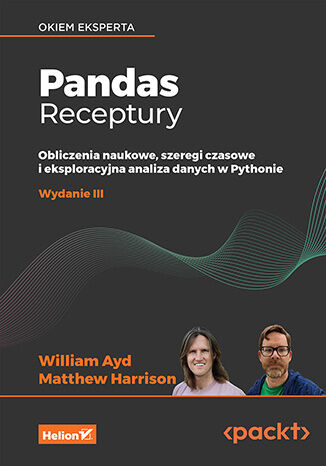
William Ayd, Matthew Harrison
Pandas to najpopularniejsza biblioteka Pythona do przetwarzania danych. Jednak nawet doświadczeni użytkownicy tego darmowego narzędzia często nie znają jego wszystkich imponujących, a przy tym wyjątkowo przydatnych funkcji. Choć oficjalna dokumentacja pandas jest obszerna, brakuje w niej praktycznych przykładów pokazujących, jak łączyć wiele poleceń a to właśnie okazuje się kluczowe! Książka powstała z myślą o wszystkich, którzy zajmują się analizą danych bez względu na poziom doświadczenia. Została pomyślana tak, aby w klarowny i praktyczny sposób, krok po kroku wyjaśnić wykonywanie różnych operacji na danych: od podstawowych czynności przetwarzania danych po zaawansowane techniki obsługi dużych zbiorów. Poszczególne receptury przygotowano w czytelnej konwencji: Jak to zrobić? Jak to działa? To jeszcze nie wszystko Każda receptura jest niezależna od innych, a układ treści pozwala na łatwe i szybkie odnalezienie potrzebnego zagadnienia. W książce między innymi: system typów pandas eksploracja danych za pomocą biblioteki pandas grupowanie, agregowanie, przekształcanie i łączenie danych z różnych źródeł niezawodne szeregi czasowe i skalowanie operacji w pandas ekosystem biblioteki pandas Doskonałe źródło praktycznych rozwiązań typowych problemów, z którymi spotkasz się w swojej pracy analitycznej w Pythonie! Wes McKinney, twórca projektów pandas i Ibis
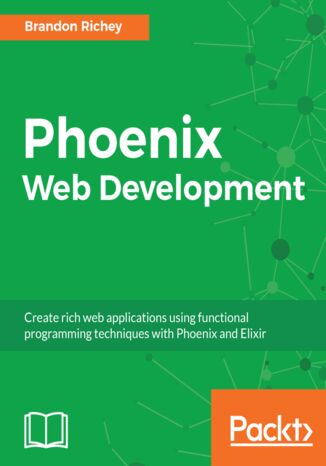
Brandon Richey
Phoenix is a modern web development framework that is used to build API’s and web applications. It is built on Elixir and runs on Erlang VM which makes it much faster than other options. With Elixir and Phoenix, you build your application the right way, ready to scale and ready for the increasing demands of real-time web applications.This book covers the basics of the Phoenix web framework, showing you how to build a community voting application, and is divided into three parts. In the first part, you will be introduced to Phoenix and Elixir and understand the core terminologies that are used to describe them. You will also learn to build controller pages, store and retrieve data, add users to your app pages and protect your database. In the second section you will be able to reinforce your knowledge of architecting real time applications in phoenix and not only debug these applications but also diagnose issues in them. In the third and final section you will have the complete understanding of deploying and running the phoenix application and should be comfortable to make your first application releaseBy the end of this book, you'll have a strong grasp of all of the core fundamentals of the Phoenix framework, and will have built a full production-ready web application from scratch.
Podstawy programowania w języku Python w przykładach z rozwiązaniami
Anna Łupińska-Dubicka, Andrzej Chmielewski
Skrypt jest przeznaczony przede wszystkim dla studentów kierunku Matematyka stosowana do przedmiotu "Podstawy programowania" oraz jako narzędzie wspomagające przygotowanie do realizacji zadań praktycznych w ramach wielu innych przedmiotów, takich jak Programowanie obiektowe, Algorytmy i struktury danych oraz Sztuczna inteligencja. Zakres tematyczny obejmuje podstawowe zagadnienia programowania w języku Python, w tym m.in. typy zmiennych, instrukcje warunkowe, instrukcje wejścia-wyjścia, struktury danych i funkcje.
Poznaj Data Science. Przekształcanie, eksplorowanie, wizualizacja i modelowanie danych w Pythonie
Deborah Nolan, Joseph Gonzalez, Sam Lau
Jako ambitny Data Scientist, czyli danetyk, rozumiesz, dlaczego organizacje polegają na danych przy podejmowaniu ważnych decyzji - czy chodzi o firmy projektujące witryny internetowe, władze miasta decydujące o sposobie poprawy usług, czy naukowców pracujących nad zatrzymaniem rozprzestrzeniania się choroby. Chcesz nabyć umiejętności wyciągania praktycznych wniosków z nieuporządkowanego mnóstwa danych. Nazywamy to danetycznym cyklem życia: proces zbierania, przekształcania, analizowania danych i wyciągania z nich wniosków. Poznaj Data Science to pierwsza książka przedstawiająca fundamentalne umiejętności dotyczące zarówno programowania, jak i statystyki, które są potrzebne w całym cyklu życia. Jest skierowana do osób, które chcą zostać danetykami lub z nimi współpracują, a także analityków danych, którzy chcą przekroczyć podział na "techniczne/nietechniczne". Jeśli znasz podstawy programowania w Pythonie, nauczysz się pracować z danymi przy użyciu standardowych w branży narzędzi, takich jak pandas. - Sprecyzuj pytanie, aby pozwalało na badanie interesującej kwestii przy użyciu danych - Zgromadź dane, co może obejmować przetwarzanie tekstu, ekstrakcję danych internetowych itp. - Zyskaj wartościowe spostrzeżenia, dzięki oczyszczaniu, eksplorowaniu i wizualizacji danych - Poznaj sposoby modelowania służące do opisu danych - Dokonaj uogólnień wykraczających poza dane "Żałuję, że nie mieliśmy tej książki, gdy pierwszy raz wymyślaliśmy określenie Data Scientist na nasz zawód. Warto zacząć od niej zajmowanie się analizą/inżynierią danych, sztuczną inteligencją lub uczeniem maszynowym". -DJ Patil, PhD pierwszy US Chief Data Scientist Sam Lau jest asystentem w Halıcıoğlu Data Science Institute na uniwersytecie UC San Diego. Sam ma dziesięć lat doświadczenia w nauczaniu. Ułożył program przedmiotu Data Science i nauczał go na wzorcowych kursach na uniwersytetach UC Berkeley i UC San Diego. Joey Gonzalez jest adiunktem na wydziale EECS na uniwersytecie UC Berkeley, członkiem grupy badawczej Berkeley AI Research oraz członkiem założycielem organizacji Berkeley RISE Lab. Jest także współzałożycielem firm Turi Inc. i Aqueduct, które tworzą narzędzia dla osób zajmujących się Data Science. Deborah Nolan jest profesorem emerita statystyki i prodziekanem ds. studentów w College of Computing, Data Science, and Society na uniwersytecie UC Berkeley.
Marc Wintjen
Data literacy is the ability to read, analyze, work with, and argue using data. Data analysis is the process of cleaning and modeling your data to discover useful information. This book combines these two concepts by sharing proven techniques and hands-on examples so that you can learn how to communicate effectively using data.After introducing you to the basics of data analysis using Jupyter Notebook and Python, the book will take you through the fundamentals of data. Packed with practical examples, this guide will teach you how to clean, wrangle, analyze, and visualize data to gain useful insights, and you'll discover how to answer questions using data with easy-to-follow steps.Later chapters teach you about storytelling with data using charts, such as histograms and scatter plots. As you advance, you'll understand how to work with unstructured data using natural language processing (NLP) techniques to perform sentiment analysis. All the knowledge you gain will help you discover key patterns and trends in data using real-world examples. In addition to this, you will learn how to handle data of varying complexity to perform efficient data analysis using modern Python libraries.By the end of this book, you'll have gained the practical skills you need to analyze data with confidence.
Nathan George
Practical Data Science with Python teaches you core data science concepts, with real-world and realistic examples, and strengthens your grip on the basic as well as advanced principles of data preparation and storage, statistics, probability theory, machine learning, and Python programming, helping you build a solid foundation to gain proficiency in data science.The book starts with an overview of basic Python skills and then introduces foundational data science techniques, followed by a thorough explanation of the Python code needed to execute the techniques. You'll understand the code by working through the examples. The code has been broken down into small chunks (a few lines or a function at a time) to enable thorough discussion.As you progress, you will learn how to perform data analysis while exploring the functionalities of key data science Python packages, including pandas, SciPy, and scikit-learn. Finally, the book covers ethics and privacy concerns in data science and suggests resources for improving data science skills, as well as ways to stay up to date on new data science developments.By the end of the book, you should be able to comfortably use Python for basic data science projects and should have the skills to execute the data science process on any data source.