
Informatyka
Paul Nygard
Cocos2d for iPhone is a simple (but powerful) 2D framework that makes it easy to create games for the iPhone. There are thousands of games in the App Store already using cocos2d. Game development has never been this approachable and easy to get started.Creating Games with cocos2d for iPhone 2 takes you through the entire process of designing and building nine complete games for the iPhone, iPod Touch, or iPad using cocos2d 2.0. The projects start simply and gradually increase in complexity, building on the lessons learned in previous chapters. Good design practices are emphasized throughout.From a simple match game to an endless runner, you will learn how to build a wide variety of game styles.You will learn how to implement animation, actions, create artificial randomness, use the Box2D physics engine, create tile maps, and even use Bluetooth to play between two devices.Creating games with cocos2d for iPhone 2 will take your game building skills to the next level.
Jakub Sanecki
Designing good looking, professional quality web templates or building your own website are rather complicated tasks, demanding a lot of technical and graphical expertise. Artisteer has changed this situation, enabling you to do it by yourself, without the need to learn skills such as HTML, web-programming languages, or drawing.Creating stunning Templates with Artisteer is a practical, step-by-step guide that will show you how you can prepare an elegant, professional looking website, on your own, using features of Artisteer. It also describes the process of designing templates for various popular CMS platforms like WordPress or Joomla!, by giving you practical hints, showing how to install those templates and how to import the content into CMS. Creating stunning Templates with Artisteer leads you through the process of designing a website, including all standard layout elements, from header to the footer, including menus and special boxes. You will learn how to prepare the templates, store them and export them in the form of ready-to-use HTML pages or packages that can be installed in various CMS platforms such as WordPress, Joomla!, Drupal, or DotNetNuke. The last part of the book shows you some tips and tricks that allow you to extend standard themes generated by Artisteer for enriching the website with image gallery, combining two menus, and more.You will learn how to create a professional quality website or CMS template on your own, with the use of Artisteer with minimal technical difficulties.
Marc Delisle
For most of us, setting up the database for an application is often an afterthought. While you don't need to be a professional database designer to create a working application, knowing a few insider tips and techniques can make both the process easier and the end result much more effective. This book doesn't set out to make you an expert in data analysis, but it does provide a quick and easy way to raise your game in this essential part of getting your application right.

Dr. Alex Antic, John K. Thompson
A Gartner prediction in 2018 led to numerous articles stating that 85% of AI and machine learning projects fail to deliver.” Although it's unclear whether a mass extinction event occurred for AI implementations at the end of 2022, the question remains: how can I ensure that my project delivers value and doesn't become a statistic?The demand for data scientists has only grown since 2015, when they were dubbed the new “rock stars” of business. But how can you become a data science rock star? As a new senior data leader, how can you build and manage a productive team? And what is the path to becoming a chief data officer?Creators of Intelligence is a collection of in-depth, one-on-one interviews where Dr. Alex Antic, a recognized data science leader, explores the answers to these questions and more with some of the world's leading data science leaders and CDOs.Interviews with: Cortnie Abercrombie, Edward Santow, Kshira Saagar, Charles Martin, Petar Veličković, Kathleen Maley, Kirk Borne, Nikolaj Van Omme, Jason Tamara Widjaja, Jon Whittle, Althea Davis, Igor Halperin, Christina Stathopoulos, Angshuman Ghosh, Maria Milosavljevic, Dr. Meri Rosich, Dat Tran, and Stephane Doyen.
Cross-platform UI Development with Xamarin.Forms
Paul Johnson
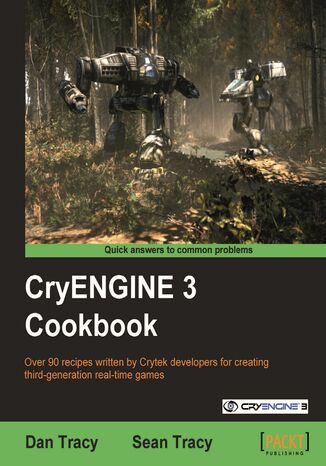
Dan Tracy, Sean P Tracy
With every successive console generation, the cost, time, and complexity of developing games has grown. Meet CryENGINE3, a middleware engine that is the perfect fit for most developers allowing users to exceed current generation quality standards while using less people and time than ever thought possible.The CryENGINE3 CookBook is packed full of recipes for junior and senior developers alike. It covers everything from creating photo realistic architectural visualizations to implementing advanced physics such as ragdoll and tornado effects. Topics covered include the sandbox, level layout, environment creation, AI, character creation, creating vehicles, and game logic. Every recipe is designed to add AAA quality to your games. The CryENGINE3 SDK has many tools immediately available to developers of all disciplines. For designers the book has recipes for building up your own levels and populating your levels with intelligent AI and photo realistic assets. For artists we have recipes for practical workflow tools and techniques used when working with the advanced CryENGINE shaders and materials. For animators we have recipes that will bring your creations to life using skinned characters and advanced animation systems like locomotion groups. Finally for programmers we have recipes that show how to employ the core mechanics behind entities such as vehicles and weapons while also utilizing the strengths of the physics engine to create a unique and exciting game.
Mercury Learning and Information, Oswald Campesato
This book is an essential guide for mastering advanced CSS3 and SVG techniques, ideal for web developers aiming to create visually striking and interactive web content. It starts with an in-depth look at CSS3, covering shadow effects, gradients, 2D and 3D transforms, and sophisticated animations. You'll learn to implement complex styling, use media queries for responsive design, and create dynamic keyframe animations. Security practices and effective use of CSS3 are also addressed.Moving to SVG, the book explores creating scalable vector graphics for advanced data visualizations and animations. You'll learn to use SVG elements like shapes, gradients, and Bezier curves, and how to seamlessly integrate them with CSS3 for dynamic, interactive graphics. Detailed tutorials on SVG filters, transforms, and animations enable you to build intricate visual effects and engaging content. Practical examples show how to combine CSS3 and SVG for responsive, high-performance web projects.By the end, you’ll have the skills to craft compelling web applications using CSS3 and SVG, whether you're a beginner or an experienced developer looking to elevate your web design expertise.
CSS3 and SVG with Gemini. Explore advanced CSS3 and SVG techniques with Gemini technology
Mercury Learning and Information, Oswald Campesato
This book serves as a comprehensive guide to mastering CSS3 and SVG technologies, with a focus on their integration with Gemini. It begins with an introduction to Generative AI and prompt engineering, laying the foundation for using Gemini effectively. Detailed chapters explore CSS3 fundamentals and advanced 3D animation techniques, offering practical examples to enhance understanding.The book dives into scalable vector graphics (SVG) basics, advancing into complex designs, and demonstrates how to integrate SVG with Gemini for creating dynamic visuals. Structured to cater to both beginners and advanced learners, each chapter provides in-depth coverage of concepts and hands-on exercises to apply knowledge practically.Readers will gain skills to create professional-grade graphics and animations, leveraging the power of Gemini and combining it with CSS3 and SVG. This resourceful book is ideal for web developers, designers, and anyone aiming to expand their expertise in modern web technologies.
CSS3 and SVG with GPT-4. Explore CSS3 animations and SVG techniques with GPT-4 insights
Mercury Learning and Information, Oswald Campesato
This book is your gateway to exploring the seamless integration of CSS3, SVG, and GPT-4. It begins by introducing the fundamentals of GPT-4 and generative AI, setting a solid foundation for understanding its capabilities. Alongside, you'll learn prompt engineering techniques to effectively interact with AI tools.The journey progresses into CSS3, covering its core principles and advanced features such as 3D animations. You'll discover innovative ways to integrate GPT-4 into web design processes, creating dynamic and visually engaging content. The book also delves into Scalable Vector Graphics (SVG), offering insights into creating scalable and crisp graphics. Combining SVG with GPT-4, you'll uncover new possibilities for unique designs.By the end, you'll have mastered the tools and techniques to harness AI-driven creativity, making your web development projects more efficient and imaginative. This book is perfect for designers, developers, and anyone looking to explore the intersection of AI and design.
CSS3 and SVG with Meta AI. AI-Driven CSS3 and SVG Design Techniques for Modern Web Solutions
Mercury Learning and Information, Oswald Campesato
This book introduces the innovative integration of CSS3 and SVG with generative AI tools, providing a foundation for modern web design. Readers begin by exploring the basics of generative AI and prompt engineering, gaining insights into how these technologies influence visual storytelling and creativity in web design.Progressing through the chapters, the book covers essential CSS3 concepts, including 3D animations and dynamic styling, before delving into advanced SVG techniques for creating scalable and responsive vector graphics. With practical examples, readers learn to merge CSS3 and SVG, enabling the development of seamless AI-enhanced animations and graphics tailored to modern design needs. The integration of Meta AI is highlighted, showcasing its role in enhancing workflows and achieving innovative solutions.By the end, readers will have gained the skills to create cutting-edge, scalable, and visually engaging web designs. The book equips developers with the knowledge and tools to incorporate AI-driven enhancements into their projects, ensuring designs remain both innovative and practical for real-world applications.
Ankur Shah
This book takes a tutorial approach and each chapter contains step-wise instructions to perform specific tasks. This book is for Linux/Unix System Administrators interested in designing and setting up a CUPS network and provides enough knowledge to understand how the technology works, make decisions about deployment, and then implement a stable work environment. No knowledge in CUPS is required but readers need to be comfortable with working in the Linux/Unix environment. On the whole, readers should have basic knowledge of the Linux environment.
Matti Paukkonen
Explore the robust functionalities of SharePoint that ensure your business processes remain flexible and scalable. With its custom development features, SharePoint presents abundant opportunities to meet evolving needs, deliver personalized experiences, and seamlessly integrate across platforms. If you’re looking for practical guidance on developing custom SharePoint solutions, Customizing and Extending SharePoint Online is your essential companion.This book takes you through the different techniques for customizing SharePoint, harnessing its native capabilities, and extending them across other platforms. You’ll begin by organizing content with SharePoint sites and learning best practices for permission governance before learning how to create and manage pages and use web parts to create, aggregate, and format content. This SharePoint book also covers specialized use cases of the Viva Suite and delves into SharePoint automation with Power Automate while extending solutions with Power Apps. Toward the end, you’ll get to grips with designing personalized solutions with SharePoint Framework and Microsoft Graph.By the end of this book, you’ll be ready to deliver highly customized SharePoint solutions that align with your business objectives.
Jürgen Gutsch
ASP.NET Core is packed full of hidden features for building sophisticated web applications – but if you don’t know how to customize it, you’re not making the most of its capabilities. Customizing ASP.NET Core 6.0 is a book that will teach you all about tweaking the knobs at various layers and take experienced programmers’ skills to a new level.This updated second edition covers the latest features and changes in the .NET 6 LTS version, along with new insights and customization techniques for important topics such as authentication and authorization. You’ll also learn how to work with caches and change the default behavior of ASP.NET Core apps.This book will show you the essential concepts relating to tweaking the framework, such as configuration, dependency injection, routing, action filters, and more. As you progress, you'll be able to create custom solutions that meet the needs of your use case with ASP.NET Core. Later chapters will cover expert techniques and best practices for using the framework for your app development needs, from UI design to hosting. Finally, you'll focus on the new endpoint routing in ASP.NET Core to build custom endpoints and add third-party endpoints to your web apps for processing requests faster.By the end of this book, you'll be able to customize ASP.NET Core to develop better, more robust apps.
Gopi Kondameda
In the evolving remote working arrangement, the demand for custom Microsoft Teams apps is increasing rapidly across businesses. If you are someone who aims to provide users with an exceptional experience through custom-built apps that adhere to industry standards and good governance, Customizing Microsoft Teams is for you!The book starts with an overview of Microsoft Teams customization and configuration prerequisites. It then shows you how to expose functionalities from various solutions through tabs, connectors, messaging extensions, and more before you move on to explore how the PowerShell module can manage multiple aspects of administration and how to use the SharePoint Framework for creating custom Microsoft Teams apps. You’ll be able to work with Microsoft Dataverse for Teams to build custom apps, bots, and flows using Power Apps, Power Virtual Agents, and Power Automate. As you publish your production-ready apps on the Teams store and Microsoft AppSource, you’ll also understand Teams app analytics and reporting functionalities.By the end of this book, you’ll have learned how to develop custom solutions to solve critical business problems and extend the power of Microsoft Teams to develop high-value use cases in the remote working culture.

CYBERBEZPIECZEŃSTWO W POLSCE I NA ŚWIECIE Pakiet 2 książki
Katarzyna Chałubińska-Jentkiewicz, Agnieszka Brzostek, Waldemar Kitler, Katarzyna...
CYBERBEZPIECZEŃSTWO W POLSCE I NA ŚWIECIE Pakiet 2 książki 1) STRATEGIE CYBERBEZPIECZEŃSTWA WSPÓŁCZESNEGO ŚWIATA Opracowanie odnosi się do kwestii cyberbezpieczeństwa w sferze nie tylko krajowej, ale również międzynarodowej, co pozwala na szersze spojrzenie na przedmiotową problematykę. W związku z tym należy je nie tylko ocenić wysoko, ale też szczególnie podkreślić ten fakt. Umiędzynarodowienie cyberbezpieczeństwa pozwala na skuteczniejsze działania w tej sferze, w tym na zapobieganie incydentom mającym niekorzystny wpływ na bezpieczeństwo systemów informacyjnych, a działania takie są ujęte właśnie w strategiach cyberbezpieczeństwa. Prof. Dr hab. Mirosław Karpiuk Zaprezentowane badania cechuje dojrzałość naukowa oraz doskonała znajomość tematyki, która nie ogranicza się jedynie do realiów polskich. Autorki bowiem wnikliwie omawiają i analizują także kształtowanie się systemu cyberbezpieczeństwa w Stanach Zjednoczonych Ameryki, Kanadzie, Francji i Republice Federalnej Niemiec. [...] W recenzowanej monografii można wyróżnić dwie części. Pierwsza jest o charakterze teoretycznym, w której Autorki koncentrują się na aspektach bezpieczeństwa cyberprzestrzeni jako elementu polityki państwa oraz na miejscu cyberbezpieczeństwa w systemie bezpieczeństwa. W drugiej natomiast zostały poddane analizie obowiązujące oraz przyjęte w ubiegłych latach w wybranych państwach strategie i polityki cyberbezpieczeństwa. dr Justyna Kurek 2) SYSTEM BEZPIECZEŃSTWA W CYBERPRZESTRZENI RP Przedstawione dociekania naukowe są trafne i merytoryczne. Wychodzą naprzeciw zapotrzebowaniu państwa i społeczeństwa. (...) jest to dzieło dojrzałe, merytorycznie spójne, ukierunkowane na potrzeby związane z tworzeniem systemu bezpieczeństwa w cyberprzestrzeni RP. płk. dr hab. inż. Piotr Dela, prof. ASzWoj Przedstawione do recenzji opracowanie, o niezwykle nośnym i ambitnym tytule System bezpieczeństwa w cyberprzestrzeni RP, dotykające niezwykle ważnej współcześnie problematyki cyberbezpieczeństwa jest dziełem zbiorowym, gdzie znajduje ujście wiele ciekawych wątków związanych z zakreślonym w tytule obszarem. dr hab. Mirosław Karpiuk, prof. UWM

Walter Rocchi
Cybercriminals are incessantly coming up with new ways to compromise online systems and wreak havoc, creating an ever-growing need for cybersecurity practitioners in every organization across the globe who understand international security standards, such as the ISO27k family of standards.If you’re looking to ensure that your company's data conforms to these standards, Cybersecurity and Privacy Law Handbook has got you covered. It'll not only equip you with the rudiments of cybersecurity but also guide you through privacy laws and explain how you can ensure compliance to protect yourself from cybercrime and avoid the hefty fines imposed for non-compliance with standards.Assuming that you're new to the field, this book starts by introducing cybersecurity frameworks and concepts used throughout the chapters. You'll understand why privacy is paramount and how to find the security gaps in your company's systems. There's a practical element to the book as well—you'll prepare policies and procedures to prevent your company from being breached. You’ll complete your learning journey by exploring cloud security and the complex nature of privacy laws in the US.By the end of this cybersecurity book, you'll be well-placed to protect your company's data and comply with the relevant standards.

Lester Nichols, Corey Ball
The Cybersecurity Architect's Handbook, 2nd Edition builds on the foundational, career-development, and best-practices coverage that made the first edition an essential resource, while expanding its scope with a new section of applied, industry-specific architecture chapters.In this new edition, the book introduces dedicated deep dives into AI security architecture, financial services architecture patterns, healthcare security architecture, cloud-native security architecture, critical infrastructure protection, and Zero Trust Architecture implementation — each with scenario-based examples, lab exercises, and domain-specific design guidance. New to this edition is the strategic framework inspired by Sun Tzu's The Art of War, woven throughout every chapter to reinforce that cybersecurity architects are not merely technicians but strategists and tacticians operating on a digital battlefield. By the end of this book, you will have a complete roadmap from foundational knowledge to real-world application across today’s critical industries and technology environments. You will explore best practices and emerging threats, including quantum computing and AI-driven attacks, to design, build, and defend the modern enterprise.

Cyfrowa ciemnia. Komputerowy warsztat fotografa
Artur Chmielewski
Fotografia cyfrowa — po mistrzowsku opanuj jej specyfikę! Już ładnych parę lat temu fotografia cyfrowa szturmem podbiła serca fotoamatorów i profesjonalistów, którzy pół swojego wcześniejszego zawodowego życia spędzali zamknięci w ciemni. Do lamusa odeszły sprzęty równie tajemnicze jak tygle alchemików, a ich miejsce zajęły aparat z dużą kartą pamięci oraz komputer z dobrym ekranem i odpowiednim oprogramowaniem: nowa technologia kusiła bogactwem możliwości oraz łatwością dokonywania niemal dowolnych zmian. Jednak współczesne narzędzia, podobnie jak te stosowane przed stuleciem, nie pozwolą na stworzenie arcydzieła z fotki nędznej jakości i nie zastąpią umiejętności oraz talentu jej autora. Dobry fotograf świetnie wie, że podstawą jego pracy jest wykorzystanie światła i uchwycenie nastroju chwili, ale powinien także bezwzględnie dowiedzieć się, jak wykorzystać specyfikę działania aparatów cyfrowych oraz programów do obróbki zdjęć, by uzyskać naprawdę oszałamiający efekt. Z tej książki dowiesz się, czym różnią się od siebie poszczególne formaty zapisu plików w aparatach cyfrowych i co z tego wynika. Jej autor podpowie Ci, jak zbudować właściwy system komputerowy, pozwalający wygodnie pracować nad zdjęciami, a także jak wybrać i skonfigurować oprogramowanie. Z jego pomocą nauczysz się kalibrować barwy i pracować z profilami ICC, usuwać przebarwienia z uporem narzucane przez aparat i wykonywać niezbędne prace w zakresie korekty fotografii. Nie mniej ważnym zagadnieniem szczegółowo omawianym w książce jest kwestia uporządkowania i archiwizacji zdjęć, czyli tworzenia bezpiecznego cyfrowego archiwum. Poznaj wyzwania stojące przed każdym współczesnym wielbicielem fotografowania i odpowiedz na nie już teraz! Co to znaczy "dobre zdjęcie"? Formaty zapisu cyfrowych zdjęć Zarządzanie barwą dla fotoamatorów Sprzęt fotograficzny i system informatyczny Opis zdjęcia w standardzie IPTC Krótki przewodnik po systemach edycyjnych Obróbka niedestruktywna Korekta podstawowych parametrów zdjęcia Archiwum a kopie bezpieczeństwa Specyfika fotografii cyfrowej, czyli dlaczego aparat analogowy i cyfrowy robią inne zdjęcia Warsztat pracy, czyli jak właściwie dobrać sprzęt fotograficzny i system komputerowy Katalogowanie i archiwizacja, czyli jak chronić swoje zdjęcia przed cyfrową nirwaną Fotoniezbędnik cyfrowego wyjadacza! Artur Chmielewski — z wykształcenia informatyk, z pasji i wykonywanego zawodu fotoreporter i dziennikarz. Od przeszło dziesięciu lat fotografuje dla ogólnopolskich tytułów prasowych. Zaczynał w "Życiu Warszawy", skąd przeszedł do magazynu "Stolica", a następnie do tygodnika "Kulisy". Przez kilka lat, od początku istnienia obu tytułów, był związany z "Dziennikiem Polska Europa Świat", a następnie "Dziennikiem Gazetą Prawną". Publikuje m.in. w: "Fakcie", "SuperExpressie", "Newsweeku", "Wprost", "Polityce", "Timesie". Obecnie jako wolny strzelec współpracuje z Polską Agencją Fotografów FORUM. Poza fotografią wydarzeniową uprawia fotoreportaż oraz fotografię studyjną. Portretuje najważniejsze osobistości świata polityki, kultury i sztuki. Współpracuje również z kilkoma magazynami lifestylowymi, dla których fotografuje ekskluzywne wnętrza.

Kimmo Karvinen, Tero Karvinen
Zdobądź informacje na temat świata zewnętrznego! Arduino oraz Raspberry Pi to płytki, które sprawiły, że świat elektroniki stał się dostępny dla wszystkich. Z ich pomocą każdy amator może sprawnie zrealizować projekt, o którym marzył od zawsze. Fantastyczne możliwości oraz łatwość, z jaką można je wykorzystać, przyczyniły się do ich ogromnej popularności. Jeżeli jednak chcesz zbudować bardziej wyrafinowany układ, będziesz potrzebować informacji o świecie zewnętrznym. Dostarczą Ci ich czujniki! Jeżeli chcesz zorientować się, jak szeroki wachlarz czujników dostępny jest dla Raspberry Pi oraz Arduino, trafiłeś na doskonałą książkę. Znajdziesz w niej bogato ilustrowane opisy zastosowania przeróżnych sensorów. Pomiar obrotu, jasności światła, temperatury oraz odległości to tylko niektóre z opcji. Z kolejnych rozdziałów dowiesz się, jak wykorzystać przycisk monostabilny oraz zbudować urządzenie regulowane czujnikiem podczerwieni. Książka ta jest znakomitym źródłem informacji dla pasjonatów chcących tworzyć zaawansowane projekty z użyciem dostępnych na rynku czujników. Dzięki tej książce: wykorzystasz czujnik temperatury zareagujesz na zmiany w oświetleniu zastosujesz czujnik FlexiForce stworzysz jeszcze bardziej zaawansowany układ elektroniczny Zbuduj wymarzony układ, reagujący na dane ze środowiska zewnętrznego!

Czy fizyka i matematyka to nauki humanistyczne?
Michał Heller, Stanisław Krajewski
Czy jest prawdziwe powiedzenie, że wszystkie nauki dzielą się na fizykę i zbieranie znaczków? W takim razie co z matematyką? Czy nauki ścisłe i humanistyka to organiczne części tej samej, ogólnoludzkiej kultury? Zarówno wśród „zwykłych” ludzi, jak i wśród osób zajmujących się pracą naukową dominuje przeciwstawianie nauk ścisłych, czyli przede wszystkim matematyki i fizyki, naukom humanistycznym. Czasem czyni się to wywyższając ścisłość nauk ścisłych, czasem wskazując na ich ograniczenia, niemożność uchwycenia prawdziwej, żywej złożoności, której nie mogą uchwycić struktury formalne. Tymczasem to przeciwstawienie nie jest absolutne: u źródeł podstawowych pojęć matematyki i fizyki są doświadczenia potoczne, odniesienia do człowieczej perspektywy postrzegania świata, próby jego spontanicznego modelowania, sądy wartościujące – jednym słowem takie zachowania, które można znaleźć również u podstaw nauk humanistycznych. Świat fizyczny jest niemiłosiernie logiczny i dlatego fizyka dopiero wtedy zaczęła odnosić sukcesy, gdy nauczyła się badać świat przy pomocy narzędzi matematycznych. Nie jest jednak pewne, czy obecnie rozwijane teorie matematyczne są najlepszymi możliwymi narzędziami potrzebnymi fizyce lub innym naukom, które chcą formułować prawa, a nie tylko „zbierać znaczki”. Stawiając w tym książkowym dwugłosie pytanie, czy fizyka i matematyka to nauki humanistyczne, nie zamierzamy tego pytania rozstrzygać do końca – odpowiedź na nie zależy od zbyt wielu osobistych i kulturowych preferencji – ale chcemy dać wyraz przekonaniu, że obydwie te dziedziny – nauki ścisłe i humanistyka – są organicznymi częściami tej samej, ogólnoludzkiej kultury. Bez którejkolwiek z nich nasza kultura byłaby płaska i zubożona. Żeby widzieć trójwymiarowo trzeba mieć dwoje oczu.

Czy można mnożyć pieniądze? Zdrowy rozsądek w nauczaniu matematyki
Danuta Zaremba
Przekonaj uczniów, że matma wcale nie musi być nudna i niezrozumiała! Poznaj sposoby skutecznego przekazywania wiedzy Naucz się wzbudzać zainteresowanie matematyką Dowiedz się, czego unikać na swoich lekcjach Matematyka jest najlepszym przykładem przedmiotu, który zupełnie niesłusznie ma opinię trudnego, nudnego i nieprzydatnego w codziennym życiu. Tę złą sławę zawdzięcza głównie przestarzałym metodom edukacyjnym, niepodzielnie panującym w większości polskich szkół, oraz nieinteresującym, z punktu widzenia uczniów, przykładom i zadaniom, które są zmuszeni rozwiązywać. Tymczasem matematyka to pasjonująca dziedzina, która znajduje zastosowanie dosłownie wszędzie i której zawdzięczamy rozwój wielu innych nauk i tysiące wynalazków technicznych. Wyjdź poza schemat i zerwij z tradycją złego nauczania matematyki! Dowiedz się, jak prowadzić interesujące lekcje i zachęcać uczniów do aktywności, poznaj sposoby, dzięki którym dostrzegą zastosowanie zdobytej wiedzy poza murami szkoły, i spraw, aby nauka stałą się dla nich prawdziwą przygodą. Zebrane w tej książce felietony pomogą Ci przygotowywać ciekawe zajęcia, zrozumieć młodych ludzi i wzbudzić w nich pasję do matematyki. Autorka dzieli się swoim bogatym doświadczeniem i nieszablonowym podejściem do tematu, a także pokazuje, jak w pracy nauczyciela stosować dobre praktyki i korzystać z przykładów, które uczą logicznego myślenia, zamiast powielać schematy. Pasja i pomysłowość Nauka przez zabawę Myślenie ponad schematy Nieszablonowe metody Obalanie starych mitów Radość ze zdobywania wiedzy Eksperymenty, które uczą Samodzielne wyciąganie wniosków Błędy jako okazja do nauki Zastosowanie wiedzy w praktyce Przykłady z życia wzięte Spraw, aby lekcje matematyki były niezapomnianą przygodą!

Czysty Agile. Powrót do podstaw
Robert C. Martin
W lutym 2001 roku grupa kilkunastu pasjonatów programowania zebrała się w Snowbird w stanie Utah, aby podyskutować na temat efektywności tworzenia oprogramowania i określić nowe zasady pracy. Nie był to cel łatwy do osiągnięcia. Siedemnaście osób o całkowicie różnych doświadczeniach i przekonaniach raczej rzadko wypracowuje wspólne stanowisko. A jednak w tym przypadku tak się stało i powstał Manifest Agile. Właśnie wtedy narodziła się jedna z najważniejszych idei w świecie oprogramowania, która stopniowo zyskiwała zwolenników również poza światem programistów. Zwiększająca się popularność Agile sprawiła, że wielu starało się upiększać, rozmywać czy modyfikować jego koncepcje. Powoli dookoła Agile nagromadziły się nieporozumienia. Ta książka jest bardzo potrzebnym powrotem do podstaw Agile. Przyda się nowemu pokoleniu programistów, nieprogramistów i osób, które kierują zespołami. Znalazł się tu jednoznaczny opis sedna Agile jako prostej i spójnej koncepcji zwinnego zarządzania małym projektem w niewielkim zespole. To bardzo ważny aspekt Agile, gdyż wielkie projekty składają się z szeregu małych projektów. Pokazano tu, jak zaimplementować metodyki Agile w poprawny, czysty sposób. Zaprezentowano kluczowe koncepcje w ich pierwotnej formie. Wyjaśniono zasady poszczególnych praktyk. Przy tym wszystkim książka jest szczerą, osobistą opowieścią o historii Agile i jego fundamentalnej idei. W tej książce między innymi: czym jest Agile i jaka jest jego istota właściwe stosowanie metodyki Scrum najważniejsze praktyki biznesowe Agile najważniejsze praktyki techniczne Agile wartości i rzemieślnictwo a praca zwinnych zespołów Agile: ponadczasowa idea zwinnego rozwoju projektu!

Andrzej M. Kaczyński
Skrypt zawiera bogaty materiał ćwiczeniowy ze wstępu do matematyki wyższej. Dotyczy on podstaw matematyki, algebry liniowej z optymalizacją liniową oraz geometrii analitycznej. Ma on ułatwić studentom rozpoczynającym studia poznanie, zrozumienie i usystematyzowanie wiedzy z tych podstawowych działów matematyki.

Ćwiczenia z przedmiotu wprowadzenie do informatyki. Arytmetyka zmiennoprzecinkowa
Irena Bułatowa
Liczby rzeczywiste przechowywane są w pamięci systemu komputerowego w formatach zmiennoprzecinkowych. W takich formatach liczby są kodowane w postaci wykładniczej, co pozwala w znacznym stopniu rozszerzyć zakres reprezentacji liczb przy zapewnieniu wystarczająco dobrej dokładności ich zapisu. Ze względu na ograniczony rozmiar formatów zmiennoprzecinkowych, bardzo często liczby rzeczywiste oraz wyniki wykonywanych na nich operacji arytmetycznych nie mogą być dokładnie zapamiętane w pamięci komputera, więc są reprezentowane w postaci przybliżonej. W książce omówione zostały podstawy zmiennoprzecinkowej reprezentacji liczb oraz algorytmy wykonywania operacji arytmetycznych na formatach zmiennoprzecinkowych. Szczegółowo wyjaśniono sposób przeliczania liczb rzeczywistych na zapis zmiennoprzecinkowy, przedstawiono standardowe formaty zmiennoprzecinkowe zgodne z powszechnie używanym standardem IEEE 754-2008. Dokładnie opisane zostały reguły wykonywania podstawowych działań arytmetycznych.